Blockchain and IoT: All the important knowledge for Tech Leaders
Scope of Work
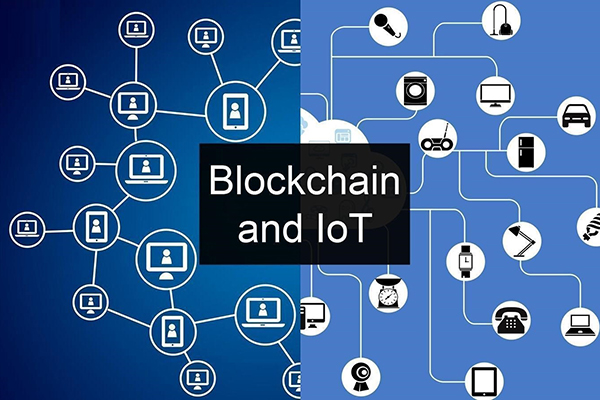
The number of connected devices is growing rapidly globally. According to forecasts, by the end of 2024, the total number of connected IoT devices will reach about 18.8 billion, an increase of 13% compared to the previous year. This increase demonstrates the increasingly important role of the Internet of Things (IoT) in many industries. Notably, the link between blockchain andIoTis becoming a prominent trend.
At the same time, blockchain technology is also developing strongly. According to a research report, the global blockchain market size is forecast to increase from 7.4 billion USD in 2022 to 94.5 billion USD in 2027, with a compound annual growth rate (CAGR) of 66.2%. This reflects the increasingly profound application of blockchain in practice.
However, integrating these two technologies still has many challenges. One of the big issues is scalability, as blockchain networks need to process huge volumes of data from IoT devices. To solve it, solutions such as new consensus mechanisms and Layer 2 technology are being developed. Besides, interoperability between different blockchain networks also poses security risks, requiring businesses to have effective data and asset protection strategies.
For technology leaders, understanding and taking ownershipintegration between blockchain and IoTis the key factor. When deployed properly, this combination not only enhances security but also improves operational efficiency and opens up new business models. In the context of strong digital transformation, knowledge of these two technologies will be an important competitive advantage for businesses.
How Blockchain Enhances IoT Systems
The combination of IoT andblockchainis changing the way devices communicate and secure data. When the number of connected IoT devices is forecast to reach18.8 billionAs the year ends, ensuring the data generated by these devices is protected and intact becomes an urgent requirement.
Secure communication between devices (Device-to-Device)
One of the biggest challenges of the rapidly growing IoT ecosystem is ensuring secure communication between devices. With tens of billions of connected devices, maintaining a reliable data transmission environment is vital. This is where the combination of blockchain and IoT is clearly effective.
Blockchain provides a distributed and immutable ledger that records all transactions between IoT devices. As a result, the data exchanged becomes transparent, verifiable and nearly impossible to edit, thereby minimizing the risk of unauthorized access or data leakage.
In smart home systems, blockchain can ensure communication between devices such as door locks, air conditioners, cameras... is always safe, prevents unauthorized control actions and protects user privacy.
In addition, blockchain's decentralization helps eliminate "single point of failure", increasing resilience to cyber attacks. Consensus mechanisms also ensure that only valid data is written to the system, maintaining data integrity across the network. This is especially important in areas such as supply chains, where it is necessary to continuously track the origin and status of goods in real time.
Create an uneditable audit trail (Tamper-proof Audit Trail)
Another important benefit of integrating blockchain into IoT is the ability to create data records that cannot be altered. This helps ensure data transparency and reliability throughout the system.
In supply chain management, this combination enables real-time tracking of goods. IoT sensors collect data about conditions such as temperature, humidity... and store it on the blockchain in an immutable form. Thanks to that, all shipping and transaction activities are clearly recorded, minimizing fraud and errors. For example, perishable products can be continuously monitored to ensure compliance with safety standards.
In the financial sector, blockchain combined with IoT helps improve the accuracy and security of transaction data. Financial institutions can use blockchain ledgers to reliably store transaction data, while also leveraging real-time data from IoT devices to more effectively manage assets and risk, as well as meet compliance requirements.
In healthcare, IoT devices such as health monitors can send patient data and store it on the blockchain. This data is only accessible by authorized parties, ensuring the privacy and accuracy of medical records.
Real-life example: IBM and Maersk in the logistics chain
Cooperation betweenIBM and MaerskThe TradeLens platform is a typical example of the application of blockchain and IoT in global logistics. Launched in 2018,TradeLensaims to digitize the shipping industry by providing real-time shipping data and documents, helping to increase transparency and efficiency in the supply chain.
The system uses IoT devices to collect data such as temperature, GPS location of goods and store it on blockchain. As a result, all stakeholders can access the same source of trusted data, reducing disputes and increasing trust. In its early stages, TradeLens recorded more than 154 million shipping events, with a growth rate of up to 1 million events per day, demonstrating the strong scalability of this model.
However, despite its solid technological foundation, TradeLens has not achieved widespread adoption across the industry. By the end of 2022, IBM and Maersk decided to stop the project due to lack of synchronized cooperation from parties in the global ecosystem, causing the platform to not achieve commercial effectiveness as expected.
Still, TradeLens is an important case study, showing both the potential and challenges of deploying blockchain and IoT in complex, multi-stakeholder environments. Lessons from this project continue to serve as a foundation for future supply chain digital transformation initiatives.
See more:Decoding Blockchain Technology: A Comprehensive Guide to Blockchain
Typical applications of Blockchain and IoT in 2026
The convergence between blockchain and IoT is reshaping many industries through increased transparency, security, and operational efficiency. Forecast showsIoT blockchain marketcan reach about 1.2 billion USD in 2025 and increase to nearly 74.8 billion USD in 2034, with an impressive compound annual growth rate (CAGR) of about 58.21%.
Smart supply chain with real-time tracking
Supply chains are being strongly upgraded thanks to the combination of blockchain and IoT, allowing real-time tracking of goods with high transparency. IoT devices such as GPS and RFID sensors continuously collect data about location, temperature and condition of goods. This data is then recorded on the blockchain in an immutable form, making it easy for stakeholders to access and verify.
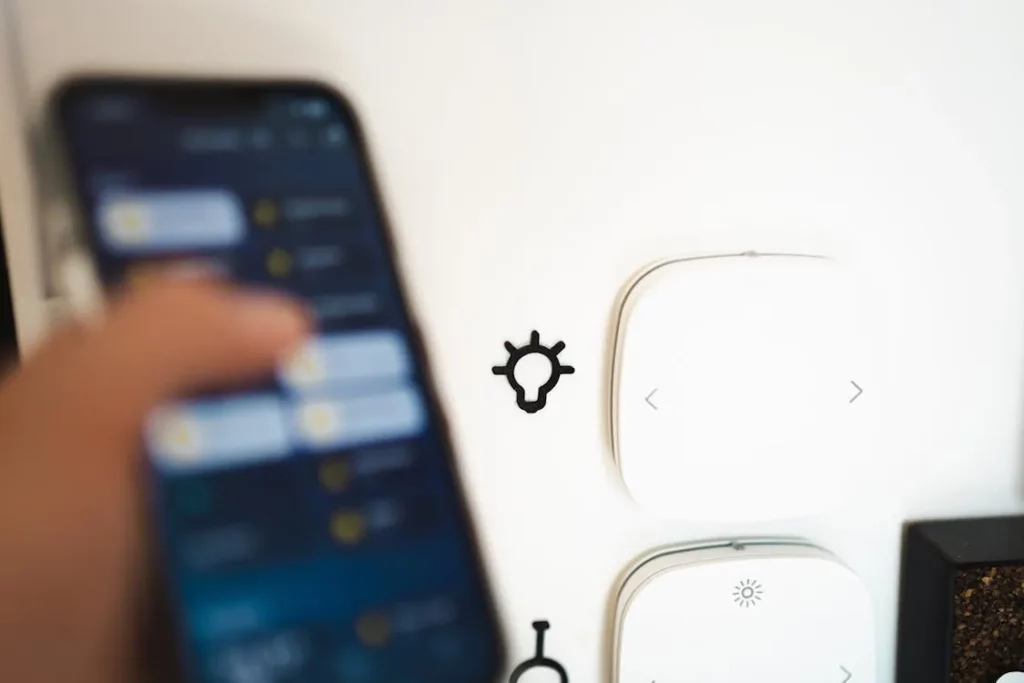
Thanks to that, businesses can accurately monitor the entire product journey, minimizing the risk of loss, damage or fraud. The trend of applying this technology is increasing rapidly, with the blockchain market in the supply chain forecast to grow at a CAGR of approx39,19%period 2024–2032.
Many large corporations such asHome Depotor Unilever has applied blockchain to improve the supplier dispute handling process and ensure ethical sourcing. At the same time, logistics companies like FedEx and DHL are deploying IoT-based shipment tracking systems that provide real-time data on the location, temperature and safety of goods. For example, the FedEx SenseAware® platform helps customers track sensitive shipments, ensuring product quality and integrity.
The combination of blockchain and IoT not only optimizes operations but also strengthens trust between businesses, partners and customers thanks to transparent, uneditable data. This will be a core factor to help businesses maintain competitive advantage in modern supply chains.
Energy grid with decentralized transactions
The energy industry is transforming with a decentralized power grid model, where blockchain and IoT play a key role in ensuring safe and transparent energy transactions. This model allows "prosumers" - people who both produce and consume electricity - to trade surplus electricity directly with each other, reducing dependence on centralized systems and increasing the resilience of the grid.
The blockchain market in the energy sector is growing rapidly, with a scale expected to reach3.1 billion USD by 2024and up to 90.8 billion USD in 2034, corresponding to a CAGR of about 41.6%. The growth of renewable energy and the need for efficient energy management are driving this trend.
IoT devices such as smart meters and sensors collect real-time data on power production and consumption. This data is recorded on the blockchain to ensure transparency and cannot be altered. In Germany, many platforms have implemented itPeer-to-peer electricity transactions(peer-to-peer), allowing households with solar power to sell excess electricity to neighbors.
In addition, utility companies are also exploiting blockchain and IoT to optimize grid operations. Thanks to smart contracts, energy transactions can be automated, reducing operating costs and improving efficiency. At the same time, this model supports the integration of distributed energy sources such as rooftop solar power and battery storage systems.
Medical monitoring with patient data integrity assurance
The healthcare industry is promoting blockchain and IoT applications to improve patient monitoring and ensure data integrity. It is expected that by 2025, smart wearable devices will account for a significant proportion of medical transactions supported by blockchain.
IoT devices such as health monitoring watches and biosensors can collect real-time patient data. When integrated with blockchain, this data will be stored securely, cannot be edited, and is only accessible to authorized parties.
Some typical models include:MedRec platformof MIT uses blockchain to manage electronic medical records, ensuring only authorized people can access them. Estonia is also a pioneer in applying blockchain to protect medical data and give control of information to patients.
Notably, more than 35% of health insurance companies are investing in blockchain solutions to protect and process data from wearable devices, while also preventing insurance fraud. This shows growing confidence in the ability of blockchain and IoT to protect sensitive data.
Combining blockchain and IoT helps healthcare organizations improve the quality of care, ensure data reliability, and build trust with patients through solid security systems.
See more:What Is IoT Solution? Find Out And Reputable Implementing Units
Action steps for Tech Leaders

The convergence between blockchain and IoT is reshaping many industries, helping to increase transparency, security and operational efficiency. To take full advantage of the potential of these two technologies, technology leaders need to have a methodical and realistic implementation strategy.
Deploy small-scale testing (Pilot)
For businesses considering integrating blockchain and IoT, starting with small-scale pilot projects is the logical step. This approach helps evaluate feasibility, effectiveness and risks before expanding deployment throughout the system.
For example, in the field of logistics, a number of pilot projects have used IoT devices for asset tracking combined with blockchain to monitor the environmental conditions of perishable goods during transportation. Data such as temperature and location are recorded on the blockchain, ensuring transparency and traceability.
Similarly, in water resources management,test modelshas applied IoT to track water consumption and quality, while blockchain ensures the data cannot be altered. These experiments show the technology's great potential in solving resource management problems.
Starting from a pilot helps businesses understand the benefits and challenges, and collect real data to make appropriate expansion decisions.
Invest in personnel who understand both technologies
One of the key factors for successful implementation of blockchain and IoT is human resources. The demand for personnel with expertise in both of these fields is growing rapidly, while supply is limited, creating a large skills gap in the market.
To solve this problem, businesses can apply many strategies:
- Upskilling the current team:Encourage employees to participate in training courses and certifications on blockchain and IoT to supplement skills and increase engagement.
- Recruitmentstrategy:Look for candidates with relevant experience such as cybersecurity, data analysis, cloud computing - fields closely related to blockchain and IoT.
- Cooperate with training institutions:Coordinate with universities and training centers to develop programs suitable to actual needs, ensuring quality human resources in the long term.
Investing in people not only helps businesses deploy technology effectively but also creates a foundation for innovation and sustainable growth.
Monitor and comply with international standards
To ensure that blockchain and IoT systems operate stably, securely, and scalable, tech leaders need to update and comply with relevant international standards.
Some important standards include:
- ISO/IEC 30165:2021:Defines a framework for real-time IoT systems that ensures fast and reliable response in real-world scenarios.
- ISO/IEC 17825:2024:Focus on security techniques for cryptographic modules, helping to detect and prevent non-intrusive attacks.
- ISO/IEC 19790:2025 & ISO/IEC 24759:2025:Provides guidance on security requirements and testing methods for cryptographic modules, which play an important role in protecting data in blockchain and IoT systems.
Proactively monitoring and applying these standards not only helps businesses ensure compliance but also improves system reliability, interoperability and security.
By implementing controlled testing, making the right investments in human resources, and adhering to international standards, technology leaders can effectively leverage the power of blockchain and IoT, thereby driving innovation and maintaining a competitive advantage in the digital era.
Conclusion
The combination of blockchain and IoT is creating profound changes in many industries, especially in the aspects of data transparency, security and operational optimization. Forecast to 2025,IoT blockchain marketcan reach about 1.2 billion USD and continue to grow strongly with a CAGR of more than 59%, reaching nearly 74.8 billion USD by 2034.
The main driver of this growth comes from the increasing demand for secure and transparent data transactions. In the supply chain sector, businesses are leveraging blockchain and IoT to track goods in real time, ensure authenticity and reduce fraud. Meanwhile, in smart cities, these two technologies support effective energy management and improve public safety through real-time monitoring systems.
In that context, technology leaders need to proactively update trends and master key application models to exploit the full potential of blockchain and IoT. This will be an important foundation to help businesses promote innovation and maintain competitive advantage in the digital era.

Contact information:
-
Address:The Sun Avenue, 28 Mai Chi Tho, Binh Trung Ward, City. Ho Chi Minh
-
Hotline:097 145 04 54
-
Website: winterfrost.tech
Latest article
See all
Top 23 Most Reputable Software and Technology Consulting Companies
Software Engineer career path: How to choose the right path for you
A working day of a Backend Engineer at Winterfrost

10+ Best Vibe Coding Tools for Beginners