Contact information:
- Address: Vinhomes Grand Park, District 9, Ho Chi Minh City, Vietnam.
- Hotline: 097 145 04 54
- Winterfrost – AI Development – Website Design – App Design – Contact for consultation.
Choosing oneMedical CRM softwareBeing suitable is not simply an investment in a customer management system, but also a decision that directly affects the operational efficiency, quality of patient care and long-term development ability of the hospital or clinic. However, faced with a series of solutions on the market with promises of automation, process optimization and improved patient experience, many companies still have difficulty finding a platform that truly meets their needs.
In this article,Winterfrostwill help you explore and compare theseToday's leading medical CRM software, and analyze important criteria to choose solutions suitable for the scale, operating processes and digital transformation goals of each medical facility. Thanks to that, you can make accurate investment decisions, optimize costs and improve patient management efficiency.
What is Medical CRM?
Healthcare CRM (Healthcare CRM)is a customer relationship management system specifically designed forhospital, clinicand organizationshealth care. This solution helps centralize patient data, automate interaction processes and effectively manage relationships between medical facilities with patients, insurance companies and related partners.
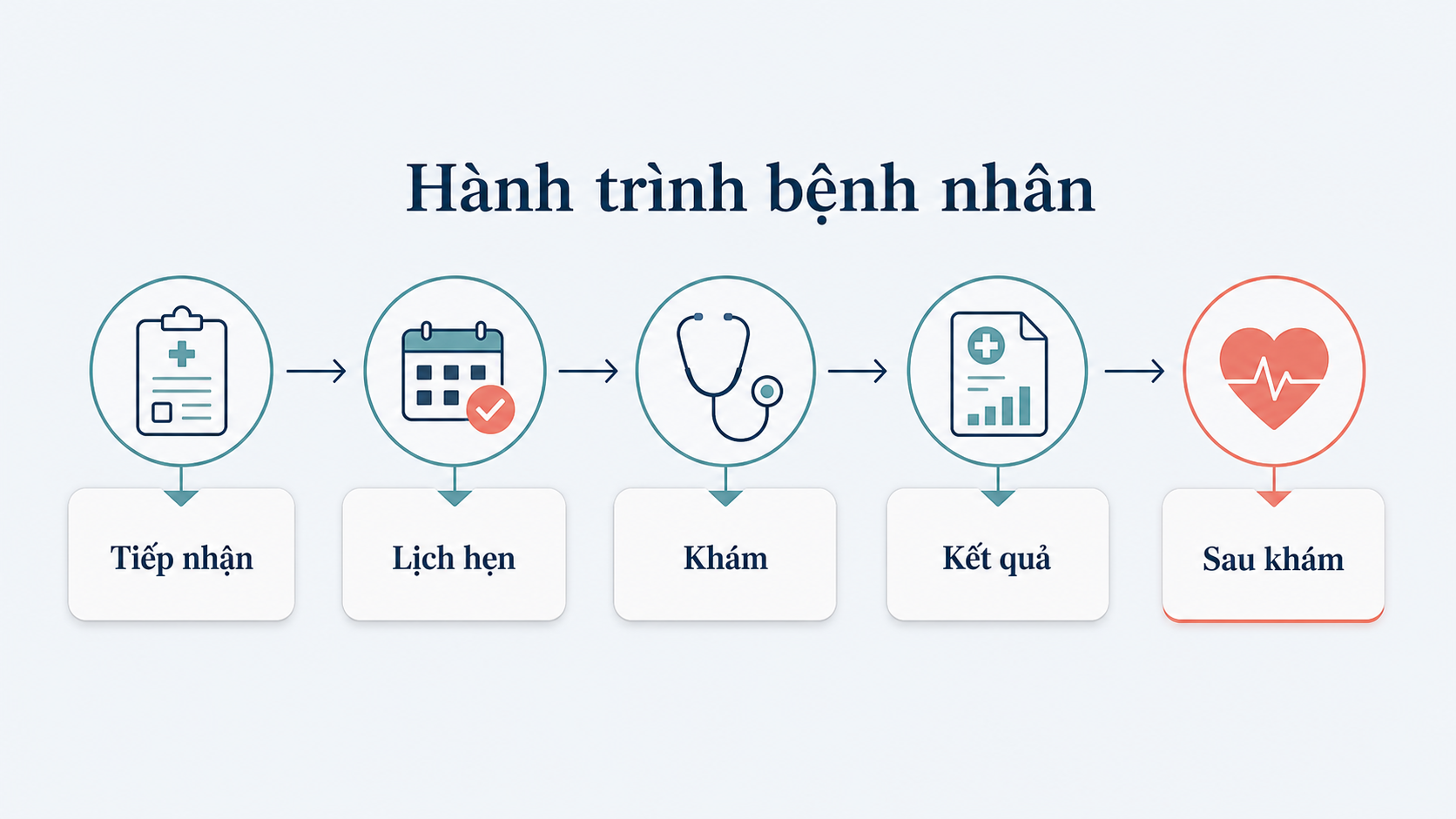
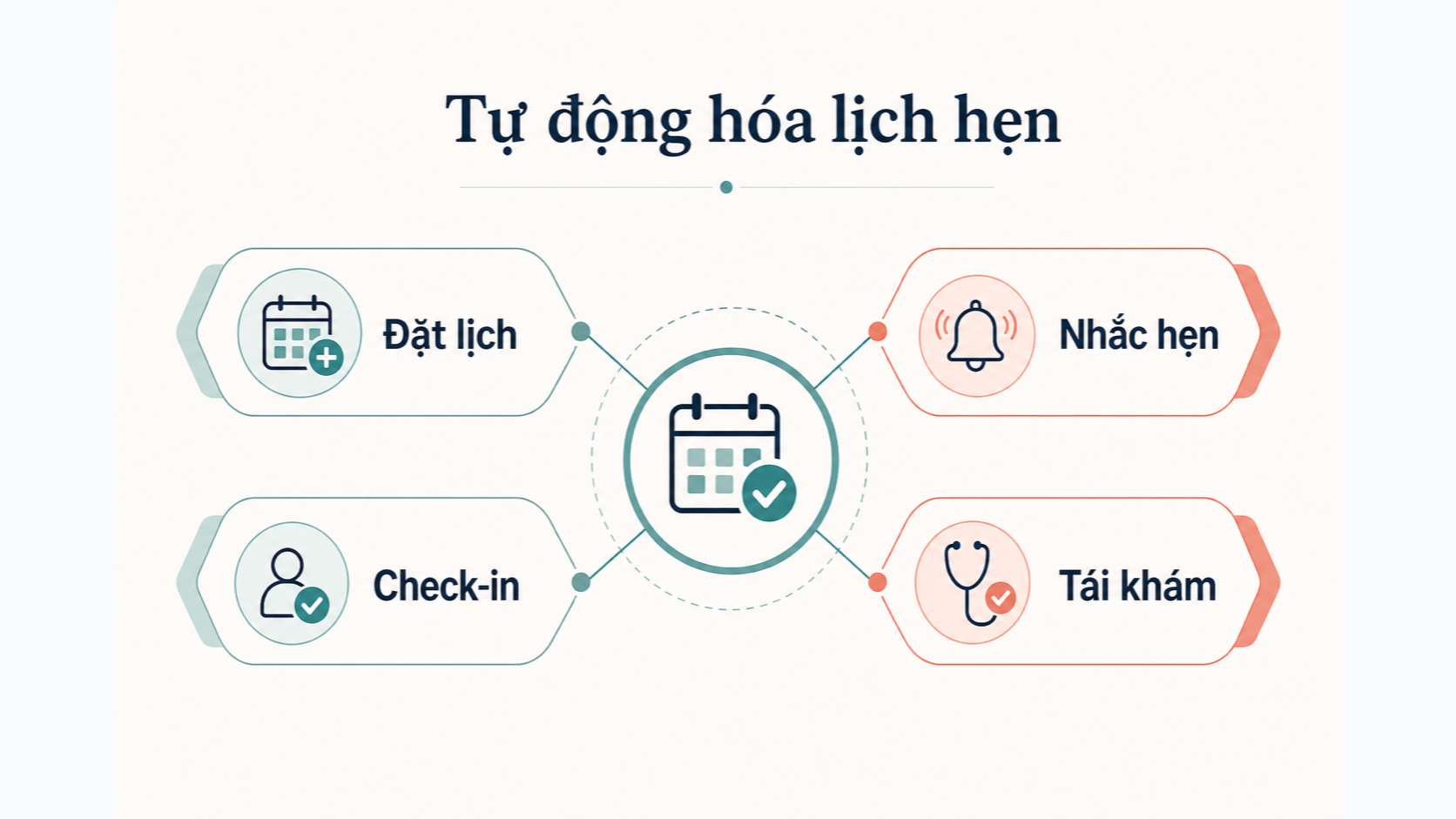
Not just stopping at storing information,Medical CRM softwarealso supports appointment management, sending reminders for examinations, post-treatment care, tracking patient journeys and meeting data security standards such asHIPAA. Thanks to that, medical facilities can improve patient experience and optimize operating efficiency for doctors and staff.
Healthcare CRM Is Becoming a Digital Transformation Trend
The development ofmedicalDigital technology is driving the need for CRM applications in patient management. According to reports from US health authorities, in 2024,69% of people with chronic diseases have accessed health information online at least once, shows the growing demand for platforms that conveniently manage and connect medical data.
In that context,Healthcare CRMnot only serves as a data management system but also becomes a tool for building long-term relationships with patients. By tracking interaction history, sending reminders for follow-up appointments, medication reminders and personalizing the care process,CRMhelps increase engagement levels, improve treatment compliance rates and improve the quality of medical services. This is also an important foundation for hospitals and clinics to promote digital transformation, improve competitiveness and bring a more comprehensive healthcare experience to patients.
Benefits of Medical CRM Software
Important Features of Medical CRM Software
OneHealthcare CRM software (Healthcare CRM)Effectively not only helps manage patient information but also supports optimal medical examination and treatment processes, enhances coordination between departments and enhances user experience. Whether you choose an off-the-shelf solution or develop it as required, below are the important features that a modern medical CRM system should possess.
Centralized Patient Information Management
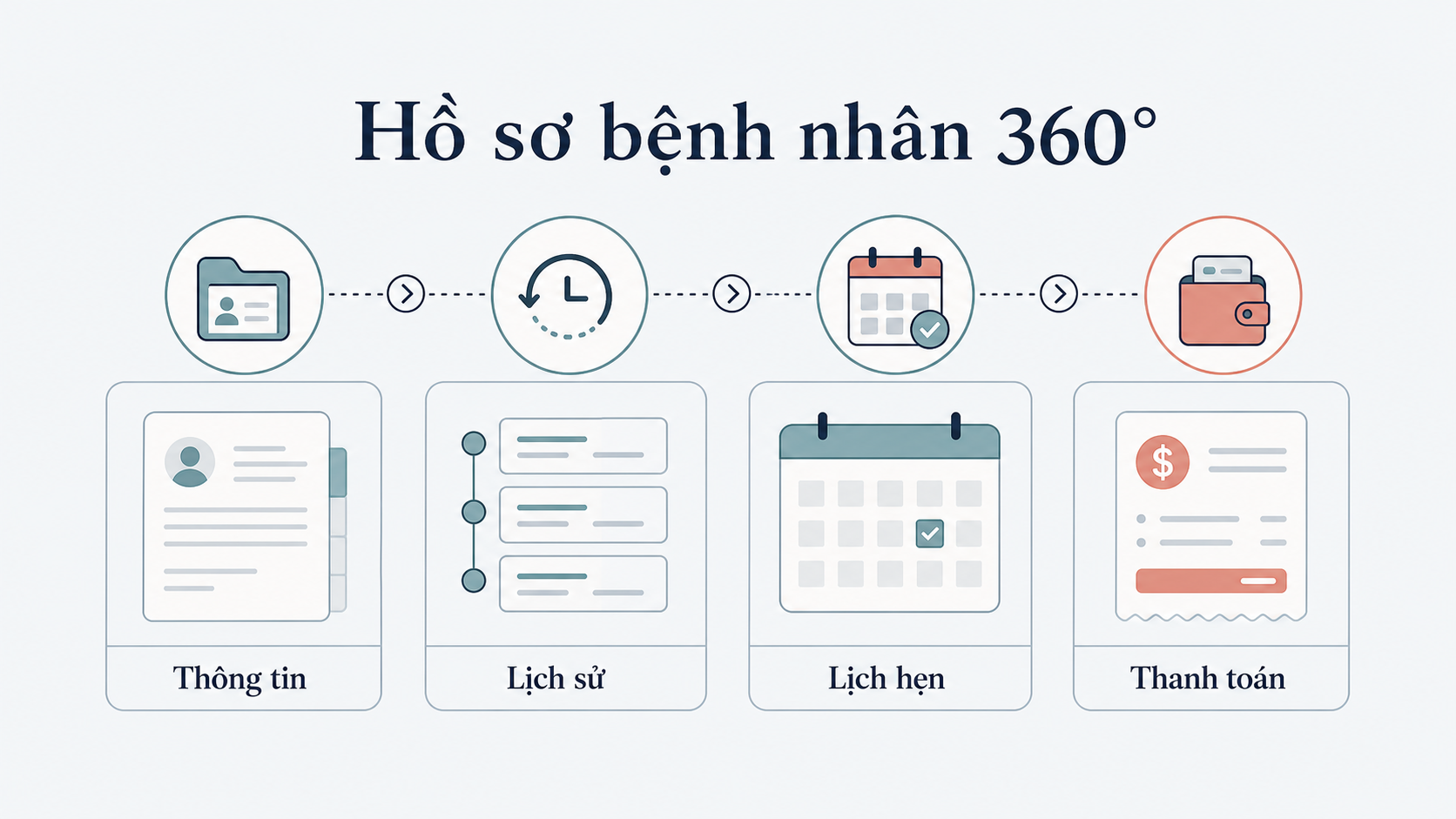
Patient data management is the core foundation of any medical CRM system. The software needs to allow all information to be stored and synchronized on a single platform, including:
- Electronic medical records.
- Examination schedule and re-examination schedule.
- Prescription.
- Test results.
- Insurance information.
- Invoice and payment history.
- Related medical documents.
Centralizing data helps doctors and medical staff easily look up, update and share information between departments, thereby improving treatment quality and reducing errors during patient care.
Reporting and Data Analysis
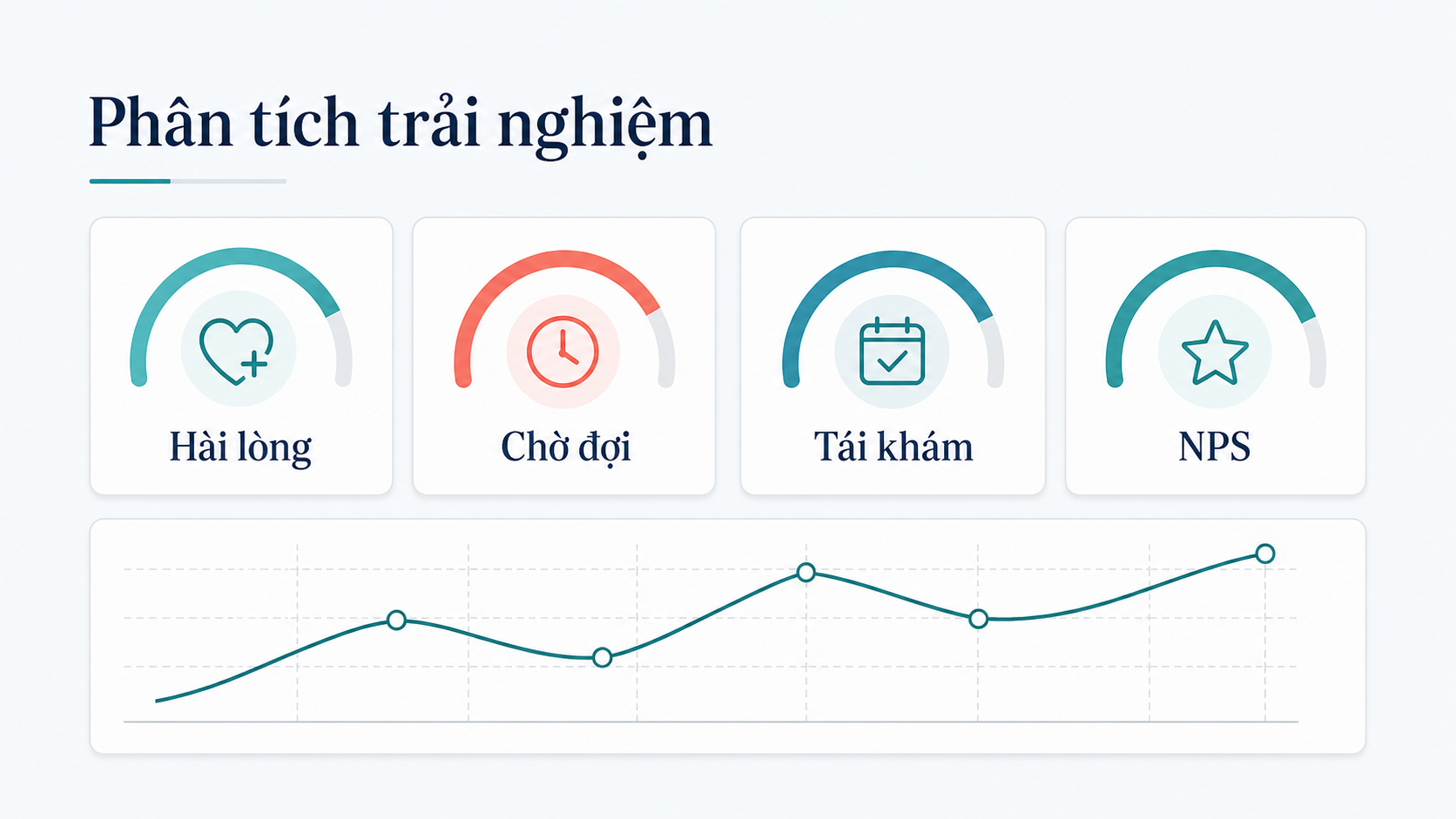
Modern Healthcare CRM needs to be equipped with real-time data analysis and reporting systems to support managers in making accurate decisions.
The system can track many important indicators such as:
- Patient satisfaction level.
- Re-examination rate.
- Rate of missed appointments.
- Treatment effectiveness.
- Revenue and expenses.
- Working performance of each department.
In addition, the intuitive dashboard helps leaders easily monitor the activities of the entire medical facility, quickly detect problems and optimize operating processes.
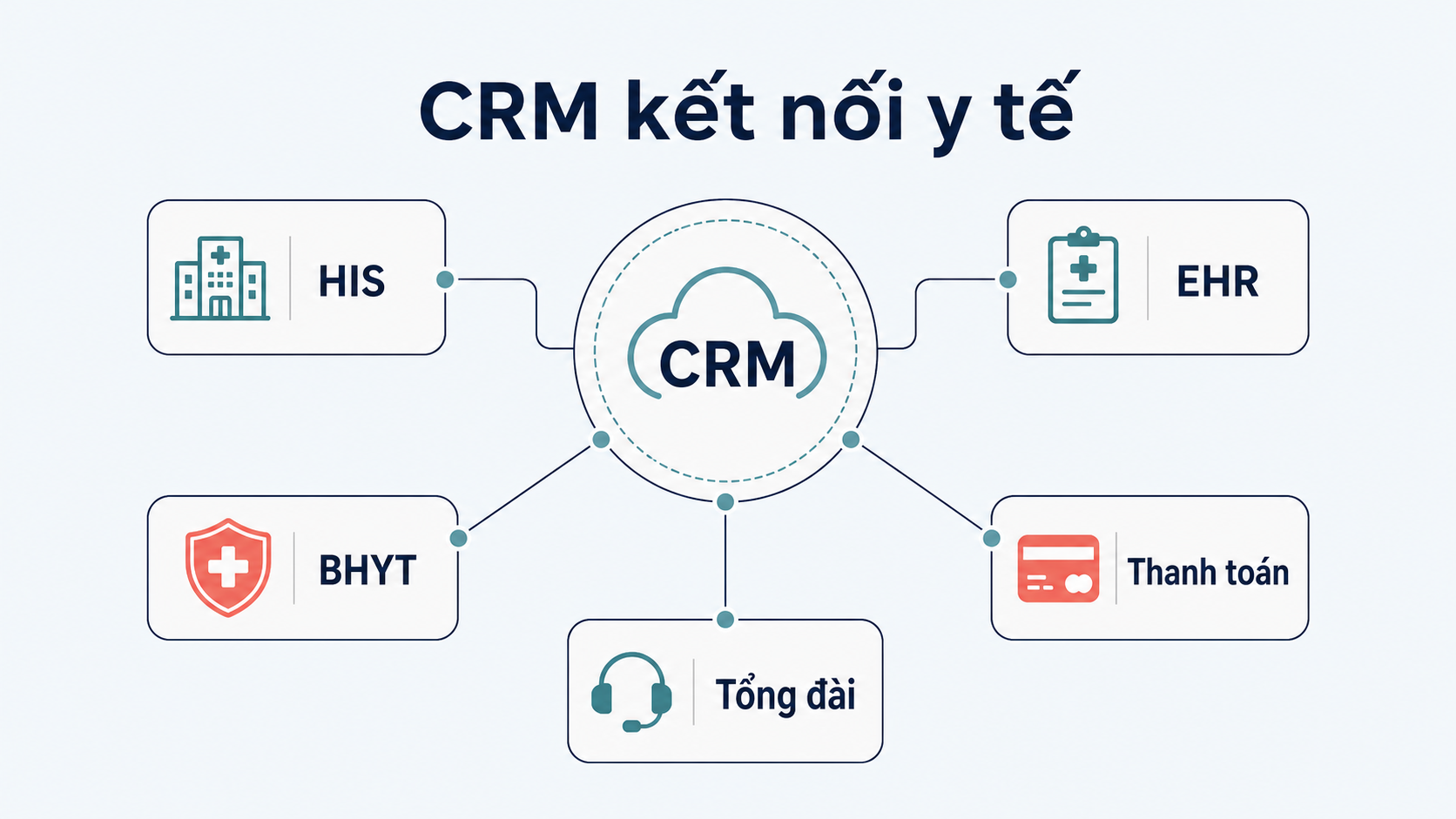
Integration with Healthcare Systems
An effective medical CRM needs to be able to integrate with the platforms being used in the hospital or clinic to create a seamless workflow.
Commonly integrated systems include:
- Electronic medical records (EHR/EMR).
- Hospital management system (HIS).
- Testing software (LIS).
- Imaging diagnostic system (PACS/RIS).
- Accounting and billing software.
- Remote medical examination and treatment platform (Telemedicine).
- SMS, Email and Call Center.
The ability to synchronize data between systems helps reduce manual data entry, limit errors and improve coordination between specialized departments.
Ensuring Data Security and Privacy
Security is a mandatory requirement for all CRM software in the medical field. A professional system needs to meet data protection standards such asHIPAA, GDPRor current regulations of each country.
Important security features include:
- Encrypt data during storage and transmission.
- Assign access rights by role.
- Multi-Factor Authentication.
- Log user access and actions.
- Backup and restore data automatically.
- Monitor and warn of unusual behavior.
Thanks to these security mechanisms, hospitals and clinics can protect patient information, minimize the risk of data leakage and increase user trust in medical services.
How to Choose the Right Medical CRM Software
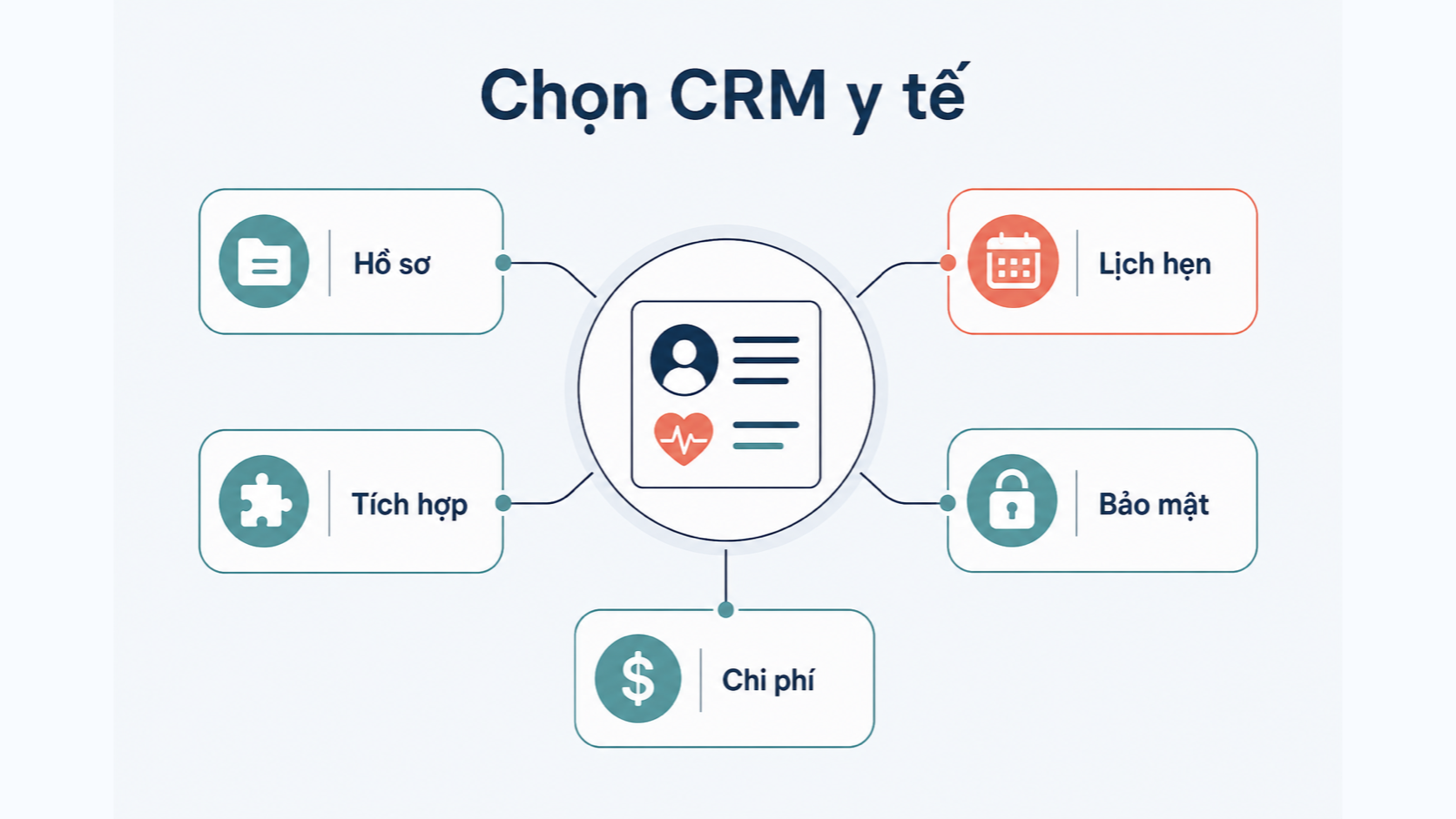
The selectionHealthcare CRM software (Healthcare CRM)not only based on the number of features but also must be consistent with the scale of operations, operating procedures and digital transformation orientation of the hospital or clinic. Below are important criteria to help you make the right decision.
Prioritize AI Integrated Platforms
Modern CRM trends are shifting stronglyartificial intelligence(AI). A medical CRM system should integrate technologies such as:
- AI analyzes patient data.
- Automate care processes.
- Predict risk and treatment needs.
- Chatbot supports consulting and customer care.
- Suggest follow-up appointments and smart calendar reminders.
These features not only enhance the patient experience but also significantly reduce the amount of manual work for medical teams.
Ensuring Security Standards and Regulatory Compliance
Health information is highly confidential data, so medical CRM needs to meet data protection standards such asHIPAA, GDPRor legal regulations in the implementing country.
Before choosing, check if the system supports:
- Data encryption.
- User authorization.
- Multi-layer authentication.
- Back up data periodically.
- Access logs and system audits.
A good security platform will help minimize the risk of data leaks and protect the reputation of the medical facility.
Choose an Easy-to-Use System
A CRM with many features but a complex interface will increase training time and affect usage efficiency.
Prioritize solutions that have:
- Intuitive interface.
- Simple operation process.
- Dashboard is easy to follow.
- Ability to customize by department.
- Supports use on computers and mobile devices.
This helps doctors, nurses and administrative staff quickly become familiar with the system, reducing errors during operation.
Evaluate Total Investment Costs
CRM implementation costs not only include software license fees but also many other items that need to be considered such as:
- System deployment and configuration costs.
- Cost of integration with existing software.
- Maintenance and upgrade fees.
- User training costs.
- Post-deployment technical support.
The evaluationTotal Cost of Ownership (TCO)will help businesses choose solutions that suit their budget while still ensuring long-term investment efficiency.
Prioritize Scalability and Integration
Hospital and clinic needs will change over time, so CRM needs to be scalable.
A good platform should support integration with:
- HIS system, EMR/EHR.
- Telemedicine.
- Payment gateway.
- SMS, Email Marketing.
- Call Center.
- ERP and accounting software.
- AI and Business Intelligence (BI).
The ability to expand and connect with other systems will help businesses avoid having to change platforms as their scale grows, while creating a synchronous and effective medical management ecosystem.
Full consideration of the above factors will help hospitals, clinics and other healthcare organizations make choicesHealthcare CRMappropriate, meeting security and legal compliance requirements, while improving operational efficiency, optimizing patient experience and creating a solid foundation for long-term digital transformation.
See more:AI Bias in Healthcare: A Critical Challenge for the Healthcare Industry in the Future
Enhance Patient Experience With Winterfrost
Choosing oneMedical CRM softwareAppropriate is not only an investment in technology but also a platform to improve service quality and patient experience. However, many solutions on the market still have limitations such as high implementation costs, difficulty in customizing according to actual processes, lack of integration with existing medical systems or not fully meeting data security standards such asHIPAA. This makes it difficult for medical facilities to build a consistent and effective management system.
AtWinterfrost, usDevelop CRM solutionsandmedical softwareupon request, designed specifically for each hospital, clinic and Healthcare business. With experience implementing many digital transformation projects in the medical field, Winterfrost brings modern platforms to help optimize the entire patient care journey, from scheduling examinations to post-treatment monitoring.
Comprehensive Medical CRM Solution for Hospitals and Clinics
The Winterfrost team can build and customize many systems to serve medical examination and treatment activities such as:
- CRM system for patient management and customer care.
- Hospital management system (HIS).
- Electronic medical records (EMR/EHR).
- Telemedicine platform.
- Appointment and follow-up management software.
- Patient portal.
- Hospital Visitor Management System.
- On-demand Salesforce Health Cloud integration solution.
- Automated payment and invoicing system.
- Admin dashboard for each roledoctor, nurses and management.
In addition, Winterfrost's platforms can connect to medical equipment, testing systems, image diagnostics, payment gateways and many other management software, creating a synchronous and seamless operating ecosystem.
Modern Technology for Medical Digital Transformation
Winterfrost solutions are developed on a modern technology platform with flexible scalability and high security.
We provide:
- Develop CRM Healthcare software as required.
- Design Mobile applications for hospitals and clinics.
- Developing a medical management Web system.
- Integrate AI and automate patient care processes.
- Synchronize data with Salesforce, HIS, EMR/EHR and existing systems.
- Centralized data management, security according to international standards.
- Dashboard analyzes data and reports in real time.
Thanks to that, medical facilities can improve management efficiency, reduce the rate of missed appointments, improve the quality of care and provide a better experience for patients throughout the entire treatment journey.
Accompany Winterfrost on the Medical Digital Transformation Journey
With a team of rich experience insoftware development,mobile application, Web, AI and Salesforce platforms, Winterfrost is committed to providing medical CRM solutionssafe, easy to expand and suitable for the actual needs of each organization.
If your business is looking for a technology partner to build or upgrade a medical CRM system, Winterfrost is ready to accompany from the consulting, design, development to implementation and maintenance stages, helping hospitals and clinics optimize operating processes, improve service quality and build lasting trust with patients.
Conclusion
The selectionMedical CRM softwareAppropriate solutions not only help hospitals and clinics manage patient data more effectively, but also optimize operating processes, improve care quality and ensure compliance with security standards such asHIPAA. A modern CRM system with flexible integration, process automation and data analysis capabilities will help medical facilities reduce administrative work, improve patient experience and build a solid foundation for digital transformation.
AtWinterfrost, we provide solutionsHealthcare CRMdesigned according to the unique needs of each hospital, clinic and medical business. From consulting, design to development and implementation, the Winterfrost team is committed to bringing systemsSafe, scalable, highly secure and future-ready, helping businesses improve management efficiency and create a more comprehensive healthcare experience.
ContactWinterfrost todayto get advice on the right medical CRM solution and start the digital transformation journey for your organization.
Frequently Asked Questions (FAQ)
1. What is medical CRM?
Healthcare CRM is software that helps hospitals, clinics and medical facilities manage patient information, appointment schedules, post-treatment care and interactive activities on a centralized platform. The system helps improve patient experience, optimize operating processes and improve management efficiency.
2. How is medical CRM different from HIS and EMR/EHR?
Healthcare-focused CRMPatient experience and relationship management, whileHIS (Hospital Information System)Manage overall hospital operations andEMR/EHRStore electronic medical records. In fact, CRM is often integrated with HIS and EMR/EHR to form a complete healthcare management ecosystem.
3. What are the most important features of a medical CRM software?
A modern Healthcare CRM should have features such as:
- Manage patient records.
- Manage examination and follow-up schedules.
- Automatically send SMS, Email calendar reminders.
- Managing post-treatment care.
- Reporting and data analysis.
- Integrate EMR/EHR, HIS and Telemedicine.
- User authorization and data security.
4. Which medical facilities should use CRM?
Healthcare CRM is suitable for many models such as:
- General and specialized hospitals.
- Private clinic.
- Dental clinic.
- Testing center.
- Beauty center.
- Obstetrics and gynecology clinic.
- Clinic chains and HealthTech businesses.
5. Does the medical CRM support integration with existing software?
Yes. Most modern CRM platforms can be integrated withHIS, EMR/EHR, Telemedicine, billing system, accounting, Call Center, Email, SMS Gateway and medical devices, helps synchronize data and optimize workflow.
6. Does medical CRM ensure patient data security?
Yes, if developed according to international security standards such asHIPAA, GDPRor country-specific data protection regulations. Professional systems often integrate data encryption, access authorization, multi-factor authentication (MFA) and automatic backup mechanisms to ensure information security.
7. Should businesses choose an existing CRM or develop it on demand?
If the management needs are at a basic level and need quick implementation, businesses can choose available CRM platforms. However, for hospitals or clinics with specific processes that need to integrate multiple systems or require long-term expansion,Custom Healthcare CRM developmentwill be a more flexible and optimal solution.
8. How much does it cost to deploy medical CRM software?
Cost depends on many factors such as number of users, features, level of customization, integration requirements, and size of the organization. SaaS solutions typically charge per month or per user, while custom CRM systems will have a higher initial investment but offer better customization and scalability.
9. Can AI be integrated into medical CRM?
Yes. Many Healthcare CRMs today integrate AI to support patient data analysis, predict care needs, automatically send appointment reminders, consult chatbots, analyze behavior and support doctors in making faster decisions.
10. Does Winterfrost develop custom medical CRM?
Yes.Winterfrostprovides consulting, design and development servicesHealthcare CRMon-demand for hospitals, clinics and HealthTech businesses. The solution can integrate withHIS, EMR/EHR, Telemedicine, AI, Salesforce, payment system and existing management software, helping businesses build a modern, secure medical management platform that is ready to expand in the future.