Contact information:
- Address: Vinhomes Grand Park, District 9, Ho Chi Minh City, Vietnam.
- Hotline: 097 145 04 54
- Winterfrost – AI Development – Website Design – App Design – Contact for consultation.
Inmedical industry, data is the most important asset, but many current systems still do not meet the requirementssecurity, shareability and transparency. Medical records can be fragmented across multiple platforms, facing the risk of cyber attacks or unauthorized access, while patients have difficulty controlling their own health data.
Blockchain technology in healthcareis opening up a completely new approach, helping to build a healthcare ecosystemsafe, transparent and reliable right from the data platform. With a decentralized storage mechanism, anti-tampering capabilities and strict access control, Blockchain not only protects patient information but also optimizes data sharing between hospitals, clinics, insurance companies and related parties.
In this article,Winterfrostwill help you discover the wayBlockchain is changing the healthcare industryin 2026, from outstanding benefits and practical applications to challenges and future development trends, helping healthcare organizations get ready for a comprehensive digital transformation journey.
Benefits of Blockchain Technology in Healthcare
The biggest strength ofBlockchain in healthcarenot only lies in the decentralized storage model but also in the ability to solve long-standing problems of the healthcare industry such as distributed data, the risk of information leakage, fraud and lack of uniform operating procedures. Below are the outstanding benefits that Blockchain technology brings.
Enhance Patient Data Security
Health information is one of the most valuable and sensitive types of data today. Blockchain helps protect data using encryption, multi-layer authentication, and distributed storage, making it nearly impossible to edit or tamper with information.
Besides, patients can proactively control access to their health records through security keys or authentication mechanisms, helping to increase transparency and reduce the risk of data leakage. This is one of the reasons why Blockchain is considered a potential security solution for the medical industry.
Fix Fragmented Data
Currently, patient data is often stored on many different systems such as hospitals, clinics, laboratories and insurance companies. This makes it difficult to share information and increases the risk of duplicate testing or treatment errors.
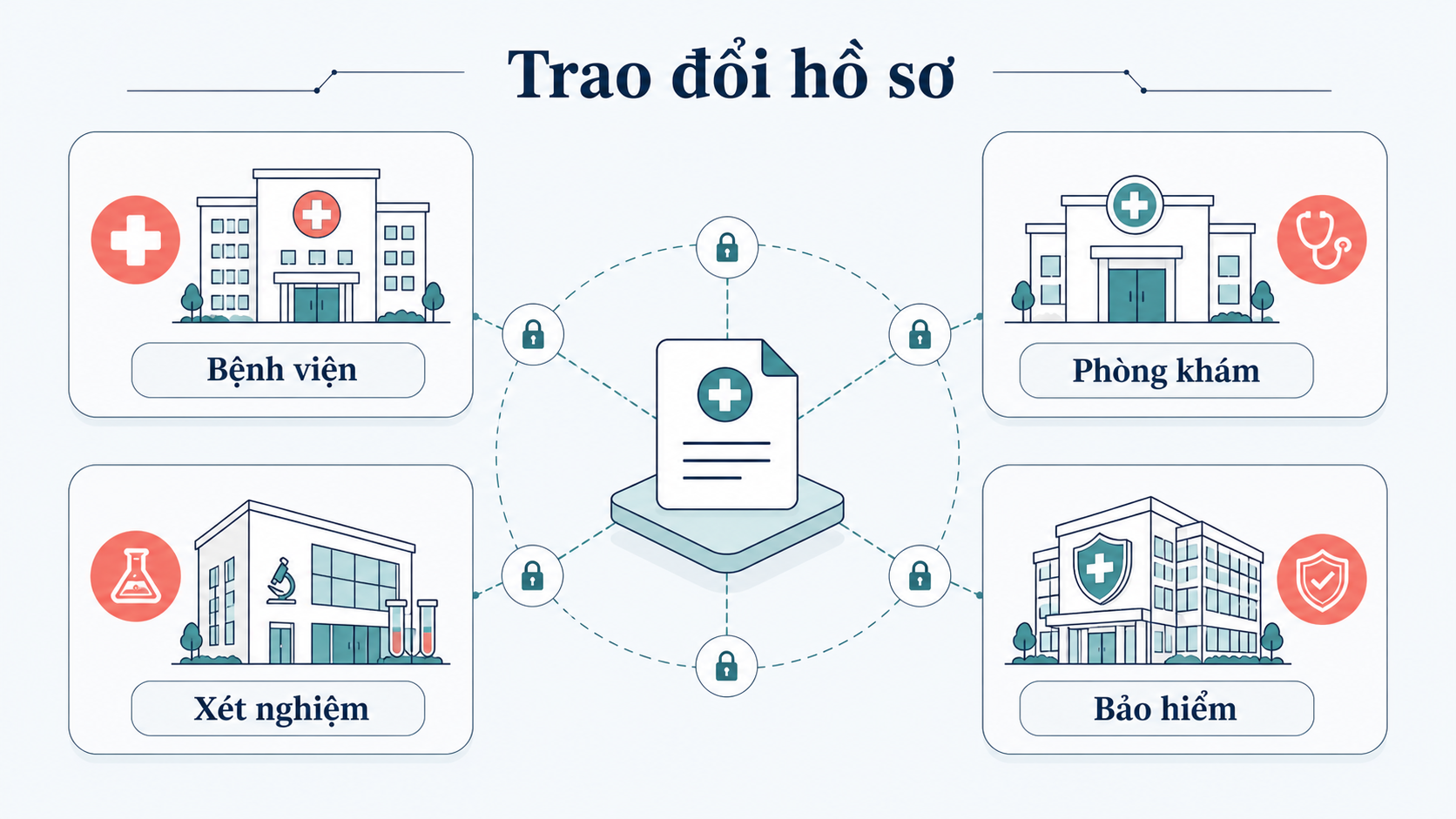
Blockchain creates oneunified data source, allowing authorized entities to access the same authenticated version of the record. As a result, the data exchange process becomes faster, more accurate and safer, while improving coordination between medical facilities.
Giving Patients Data Control
Blockchain helps transfer the management of health data from the system to the patient.
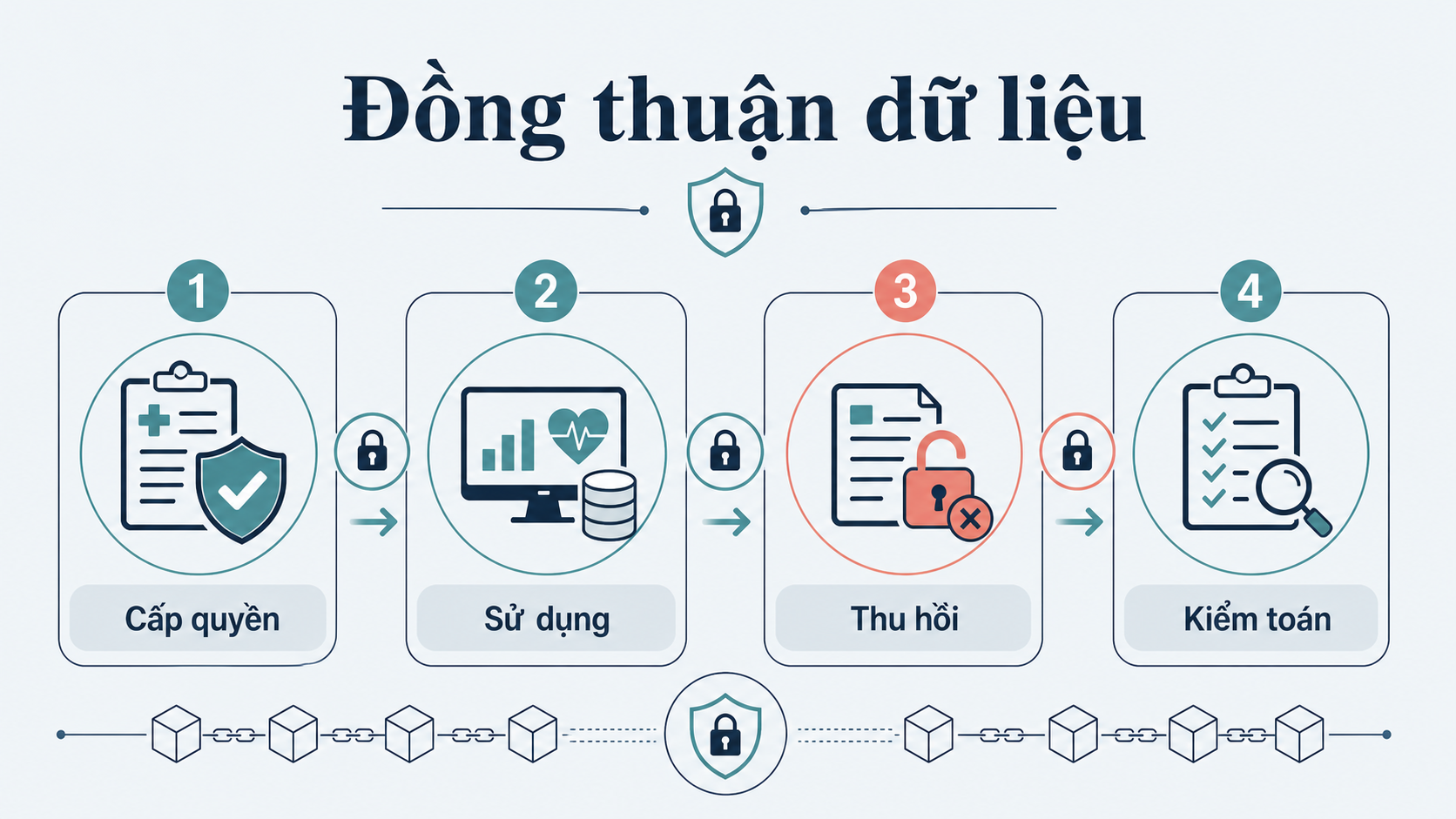
Through technologies such asSmart Contract (Smart Contract)andDecentralized Identity (Decentralized Identity), patients can:
- Control who is allowed to access medical records.
- Track data access history.
- Revoke or re-grant permission to share information when necessary.
- Proactively manage personal data across multiple medical facilities.
This approach not only enhances privacy but also contributes to building a transparent, patient-centered health system.
Transparency of Transactions and Limiting Fraud
One of the outstanding advantages of Blockchain is that every transaction is permanently recorded and cannot be edited after authentication.
Thanks to this mechanism, Blockchain helps:
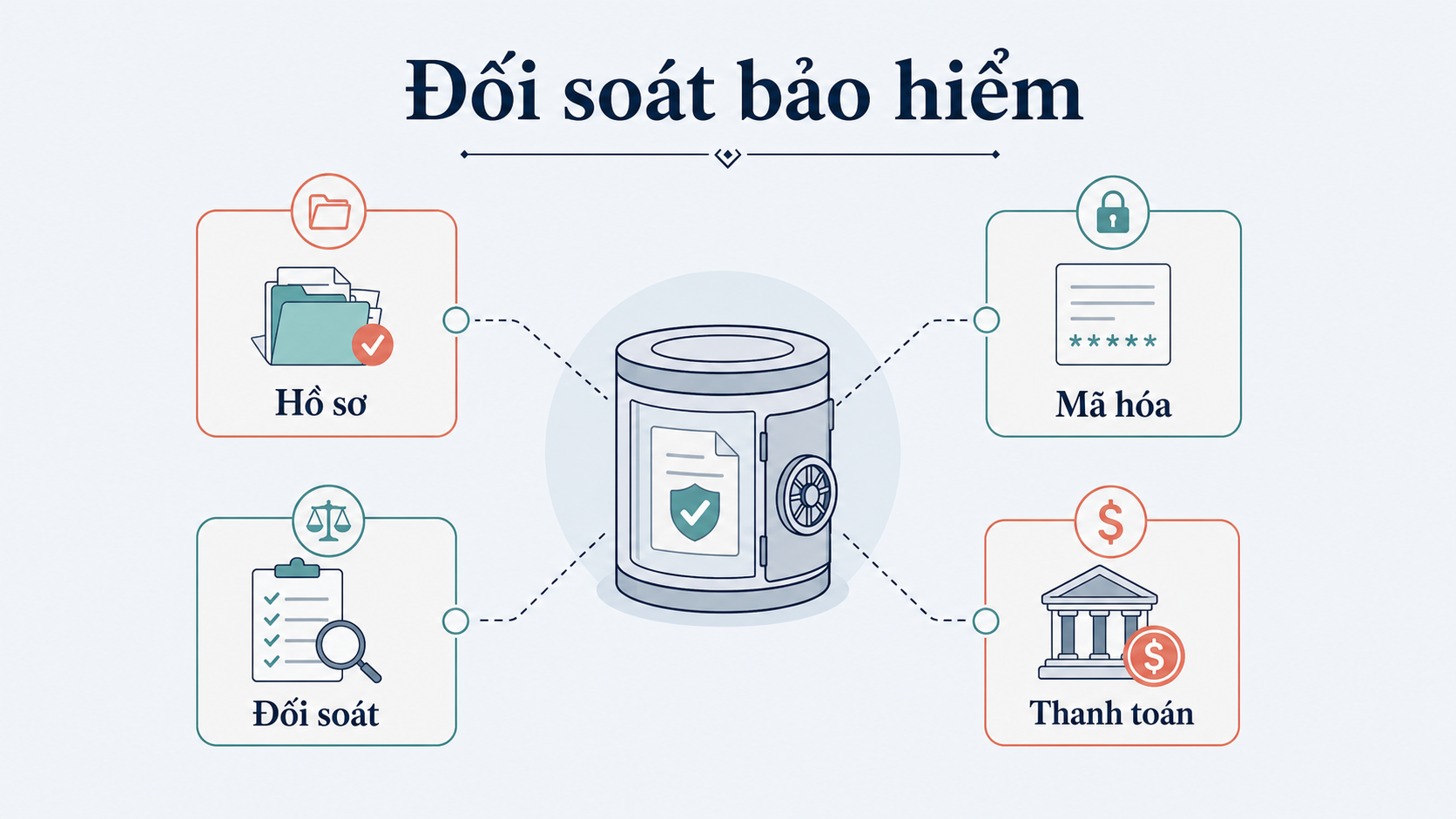
- Limit fraud in health insurance payments.
- Prevent unauthorized editing of medical records.
- Authenticate the origin of drugs and medical equipment.
- Transparency of the clinical research process.
- Control the pharmaceutical supply chain.
Each change is fully logged with a timestamp, making checking, retrieval and auditing easier. This contributes to improving transparency, minimizing risks and building trust between patients, medical facilities, insurers and stakeholders.
Optimize Operational Efficiency
Not only does it help secure data, Blockchain also contributes to automating many processes in the healthcare industry such as verifying patient information, sharing records between medical examination and treatment facilities, managing insurance contracts and payments.
By reducing manual procedures, limiting errors and shortening processing time, Blockchain technology helps hospitals and clinics save operating costs, improve work efficiency and devote more resources to patient care. This is also one of the important foundations that promote the processDigital transformation of the healthcare industryin the coming years.
Typical Applications of Blockchain Technology in Healthcare
Blockchain is not only a technology that helps secure data but is also creating dramatic changes in the way hospitals, clinics, pharmaceutical businesses and healthcare organizations manage, share and authenticate information. From electronic medical records to drug supply chains, Blockchain is contributing to building a more transparent, secure and efficient healthcare ecosystem.
Security and Management of Electronic Medical Records
One of the most important applications of Blockchain is managementElectronic Health Records (EHR).
Every day, medical facilities generate large amounts of data such as:
- Medical examination records.
- Test results.
- Diagnostic imaging.
- Prescription.
- Treatment information.
- Health indicators from tracking devices.
Blockchain helps encrypt and store all of this data on a distributed ledger, ensuring that information cannot be edited or tampered with after being authenticated. At the same time, doctors and patients can access records quickly through granted permissions while still ensuring compliance with security standards such asHIPAA.
Drug Traceability and Authentication
Counterfeit drugs and deviations in the supply chain are a serious problem for the pharmaceutical industry globally.
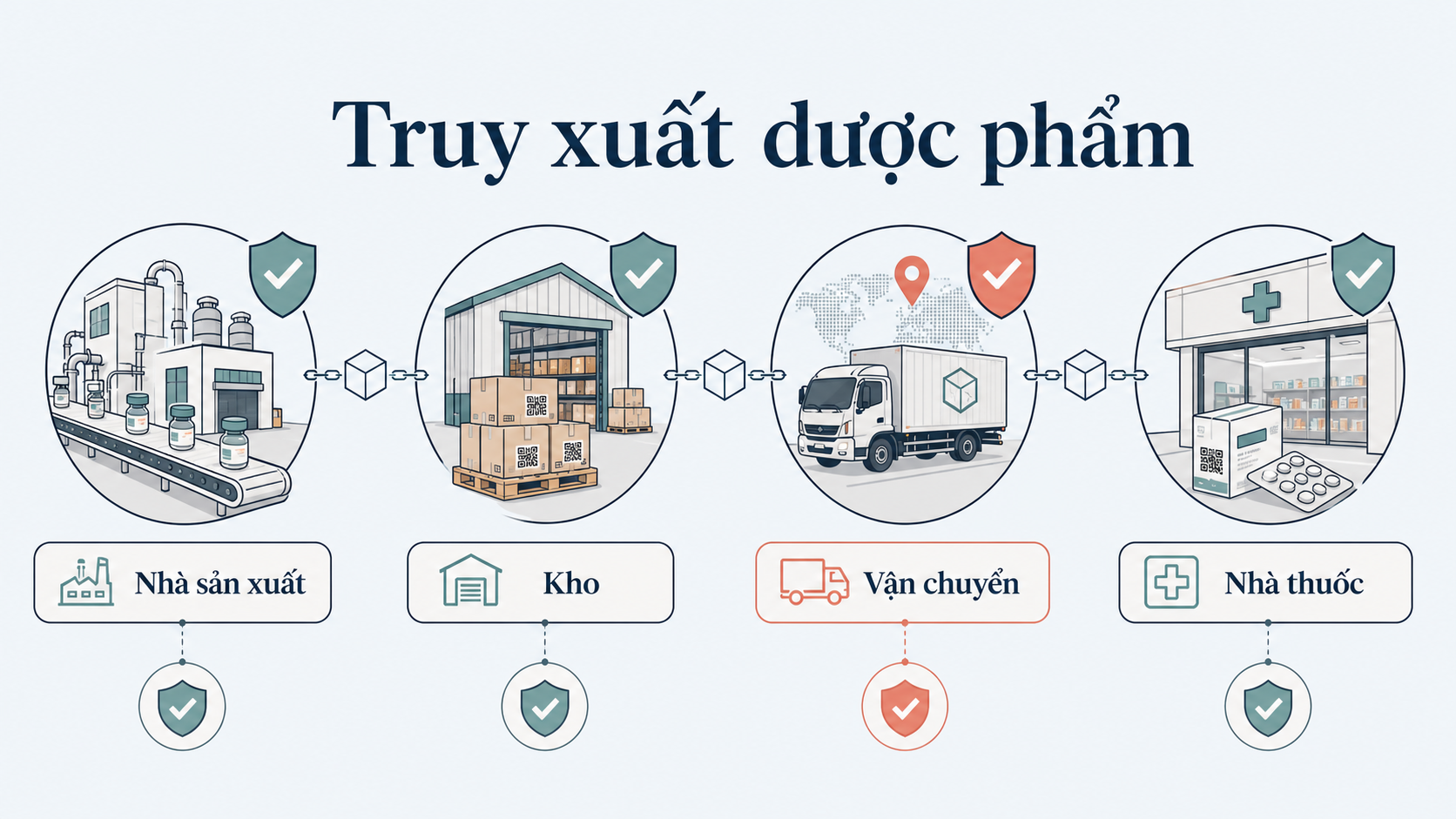
Blockchain helps track the entire lifecycle of a pharmaceutical product, from:
- Manufacturer.
- Inspection unit.
- Logistics.
- Distributor.
- Pharmacy.
- Hospital.
Each step is recorded on Blockchain, helping to verify the origin, expiration date, circulation license and shipping history of the drug. This contributes to limiting counterfeit drugs, improving management quality and increasing patient trust.
Increasing Transparency in Data Sharing
Healthcare facilities often have difficulty sharing data due to the use of many different systems.
Blockchain creates oneSingle Source of Truth, allowing authorized parties to access the same authenticated data set.
Thanks to this, hospitals, clinics, insurance companies and laboratories can:
- Reduce data duplication.
- Limit errors when transferring to hospital.
- Speed up treatment coordination.
- Improve the quality of patient care.
Synchronize Patient Data Between Medical Facilities
A patient's health information is often stored in many different places.
Blockchain helps synchronize:
- Medical examination and treatment records.
- Vaccination history.
- Prescription.
- Insurance information.
- Test results.
- Diagnostic imaging.
Patients only need to grant access and doctors at any facility can view all necessary information without having to request to provide records again and again.
Clinical Research Data Management
Clinical research requires data to be accurate, transparent, and unchanged throughout the trial.
Blockchain helps record:
- Patient's consent to participate in research.
- Testing procedure.
- Drug dosage.
- Results according to each stage.
- Changes in research.
Each data is timestamped, helping research organizations, regulatory agencies and sponsors easily verify the accuracy of results.
Detect and Prevent Data Fraud
The ability to not be edited after authentication is one of the outstanding advantages of Blockchain.
This helps:
- Prevent unauthorized editing of medical records.
- Detect fake research data.
- Control insurance transactions.
- Limit medical billing fraud.
- Improve transparency in the entire medical examination and treatment process.
Every change is fully documented, creating a clear and reliable audit history.
Real-Time Patient Monitoring
Blockchain can be combined withIoT (Internet of Things)and smart wearable devices to continuously monitor patient health.
Recorded data includes:
- Heart rate.
- Blood pressure.
- Blood sugar.
- Oxygen concentration in the blood.
- Body temperature.
- Operation of medical equipment.
Information is encrypted and transmitted directly to the doctor or operations center, helping to detect abnormal signs early and provide timely response, especially for ICU or chronically ill patients.
Speed up Data Verification and Processing
Many processes in the healthcare industry still take a lot of time due to manual verification.
Blockchain helps shorten the authentication process:
- Patient identity.
- Health insurance.
- Practicing license.
- Professional certification.
- Medical examination and treatment records.
Thanks to that, hospitals and insurance units can significantly reduce processing time, limit manual paperwork and improve operational efficiency.
Hospital Financial Management is More Transparent
Blockchain helps track all financial transactions in real time such as:
- Payment of hospital fees.
- Refund.
- Insurance payment.
- Manage research budget.
- Sponsorship management.
- Monitor treatment costs.
Combined withSmart Contract (Smart Contract), many payment processes can be automated, reducing processing time and limiting errors in accounting.
Protecting Genetic Data
DNA and genomic data are highly valuable but also very sensitive information.
Blockchain helps:
- Encryption of genetic data.
- Control access.
- Track data usage history.
- Share securely between patients and research institutions.
Thanks to that, precision medicine research projects can exploit data effectively while still ensuring the privacy of participants.
Optimizing the Pharmaceutical Supply Chain
Blockchain helps manage the entire drug supply chain from factory to patient.
All information about:
- Production.
- Inspection.
- Packing.
- Shipping.
- Preservation.
- Distribution.
are continuously recorded on Blockchain.
Combined with IoT, businesses can monitor the temperature, humidity and location conditions of drugs in real time, ensuring product quality throughout the circulation process.
Increasing Connectivity Between Healthcare Systems
One of the biggest barriers to medical digital transformation is the lack of synchronization between systems.
Blockchain acts as a connection layer that helps:
- Hospital.
- Clinic.
- Testing room.
- Pharmacy.
- Insurance company.
- Management agency.
can exchange data on the same platform without depending on software providers or technology infrastructure.
Thanks to this interoperability, Blockchain contributes to building a unified digital health ecosystem, reducing data fragmentation and improving the efficiency of health care coordination on an industry-wide scale.
See more:Custom-designed Hospital Software or Off-the-shelf Medical Software? Detailed Comparison
Challenges When Implementing Blockchain in Healthcare
AlthoughBlockchain in healthcareBringing many benefits in terms of security, transparency and optimization of operating processes, the implementation of this technology in practice still faces many barriers. From technology infrastructure, legal regulations to investment costs and changes in operations, medical organizations need to consider carefully before applying Blockchain to their systems.
Difficulty in Integrating With Existing Systems
Mostlyhospitaland the clinic is currently still using traditional management systems such asHIS, EMR/EHR, LISor software developed many years ago. These platforms are often not designed to work with Blockchain architecture.
Integrating Blockchain with old infrastructure can create many problems such as:
- Difficult to synchronize data between systems.
- Processing performance decreases when the amount of data is large.
- Expansion capabilities are limited.
- High cost of upgrading technology infrastructure.
- Requires a technical team with Blockchain expertise.
For small-scale medical facilities, this can be a significant barrier in the digital transformation process.
Pressure to Comply with Legal Regulations
Medical data is one of the most strictly regulated types of data today. When implementing Blockchain, organizations need to ensure the system fully complies with data protection regulations such as:
- HIPAA(United States).
- GDPR(European Union).
- Data security regulations in each country.
Although Blockchain has high security capabilities, storage, sharing and processingProtected Health Information (PHI)must still meet strict legal requirements. This requires close coordination between technology, legal and management teams before the system is put into operation.
Difficulties in Managing Large Volume Medical Data
The healthcare industry generates huge amounts of data every day, including:
- CT, MRI and X-ray images.
- Endoscopic video.
- Test results.
- Electronic medical records.
- Data from IoT devices and smart wearables.
- Clinical research information.
While Blockchain is well suited for authenticating and tracking data, it is not the optimal solution for directly storing large data files. Therefore, many systems today choose to combine Blockchain withCloud Storageor off-chain databases (Off-chain Storage) to ensure performance and scalability.
Protecting Patient Identity and Privacy
Blockchain helps increase data control for patients, but digital identity management also poses many challenges.
If the Privacy Key is lost or stolen, patients may have difficulty accessing or controlling their health records. In addition, Blockchain systems also need to build appropriate authentication, decentralization and access recovery mechanisms to both ensure security and provide a convenient experience for users.
Investment Costs and Barriers to Organizational Change
Implementing Blockchain is not just a technological change but also a change in the entire data management process within the organization.
Medical facilities need to invest in many items such as:
- Develop or customize Blockchain systems.
- Upgrade IT infrastructure.
- Integrate with existing software.
- Training staff.
- Build new operating procedures.
- Long-term system maintenance and upgrades.
Besides investment costs, many organizations also encounter fear during the transformation process due to employees being unfamiliar with new technology or afraid of changing work processes. Therefore, for Blockchain to be effective, businesses need to have a methodical implementation strategy, a clear roadmap and consensus from both the leadership and the professional team.
Although many challenges remain, the rapid development of Blockchain technology along with AI, Cloud Computing and Internet of Things (IoT) is gradually removing these barriers. In the future, Blockchain is expected to become one of the core platforms of the digital health ecosystem, helping to improve transparency, security and management efficiency across the industry.
See more:Conversational AI in the Healthcare Industry: Technology Changing the Future of Healthcare
The Future of Blockchain Technology in Healthcare
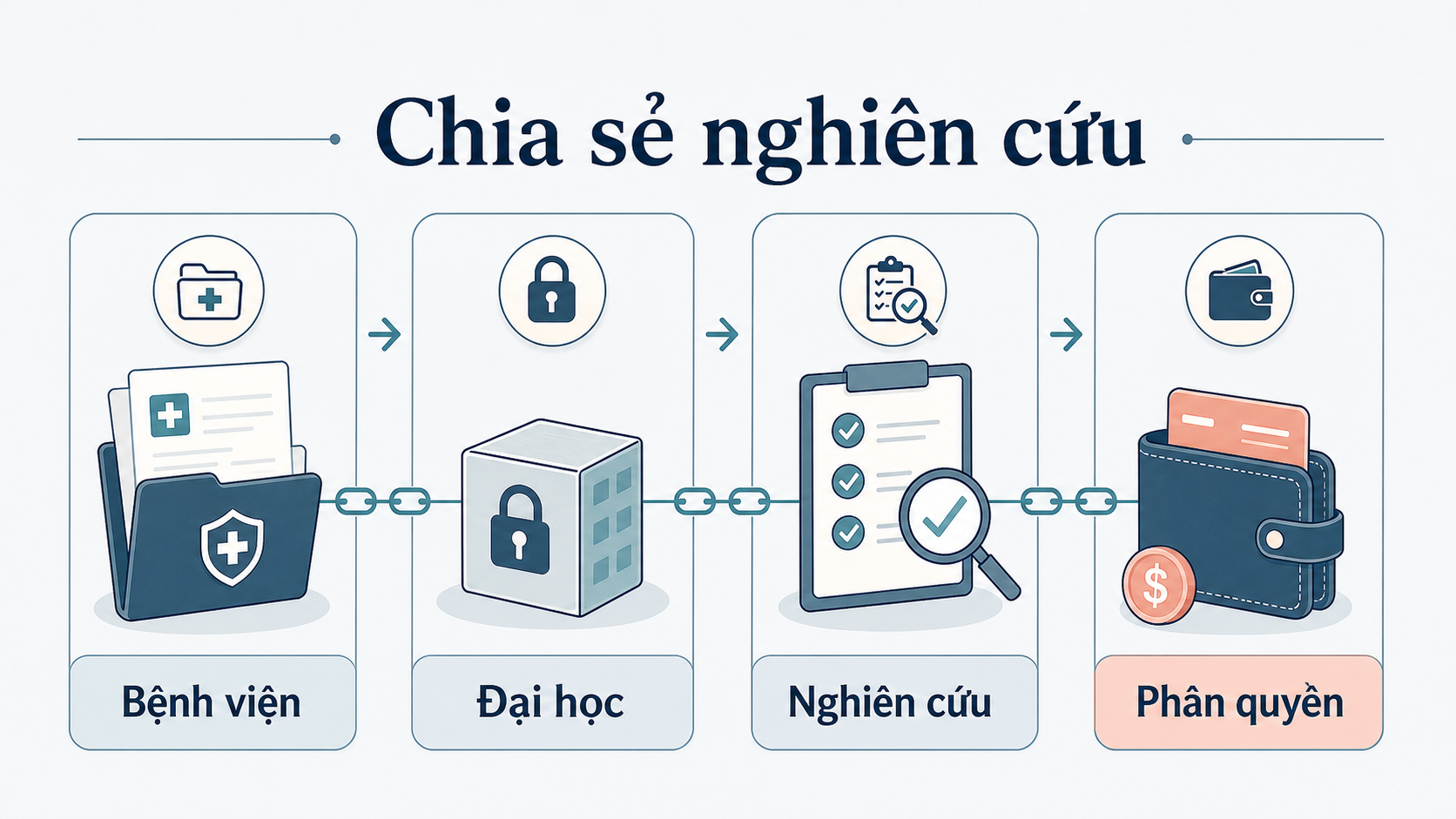
Blockchain is gradually moving from the experimental stage to practical applications in the healthcare industry. With the ability to secure data, increase transparency and connect medical systems, this technology is forecast to play an important role in the digital transformation of hospitals, clinics and medical organizations globally.
The Medical Blockchain Market Continues to Grow Strongly
According to market research reports,Blockchain market size in global healthcareis forecast to increase from approx2.89 billion USD in 2023 to 14.25 billion USD in 2030, with a compound annual growth rate (CAGR) up to39,1%.
Currently,North Americais still the leading region in implementing Blockchain in healthcare thanks to its developed technology infrastructure and policies promoting digital transformation. Meanwhile,EuropeandAsia-Pacific regionis also accelerating investment in platforms such as:
- Electronic medical records (EHR/EMR).
- Digital identification system.
- Medical data sharing network.
- Smart pharmaceutical supply chain.
This shows that Blockchain is no longer a short-term trend but is becoming an important part of the development strategy of the global health industry.
Combining Blockchain With AI And IoT
The future of the healthcare industry is not just Blockchain but a combinationBlockchain, Artificial Intelligence (AI)andInternet of Things (IoT).
In this model:
- AI supports data analysis and makes clinical predictions.
- IoT collects real-time health data from medical devices and smart wearables.
- Blockchain ensures all data is stored securely, cannot be edited and is traceable.
This combination opens up many new possibilities such as:
- Monitor your health remotely.
- Analyze data in real time.
- Early warning of disease risks.
- Personalize treatment regimen.
- Automate patient care processes.
This is considered the foundation of the generationSmart Healthcare, where data is always accurate, transparent and trustworthy.
Developing Decentralized Identity
Another prominent trend is the development ofDecentralized Identity (DID)andSelf-Sovereign Identity (SSI).
Instead of depending on a single hospital or data storage system, patients will own their own digital identity and health records.
They can:
- Proactively grant or revoke data access rights.
- Share medical examination and treatment records with many medical facilities.
- Use health records when participating in clinical research.
- Verify vaccination or treatment information when traveling for business, tourism or medical treatment abroad.
This model enhances privacy, while providing a more convenient and safer experience for patients.
Sharing Medical Records on a Global Scale
In the future, Blockchain is expected to become a data connection platform between hospitals, clinics and health systems in many countries.
Then, the patient can:
- Access medical records anywhere.
- Share data with doctors with just a few taps.
- Shorten information verification time.
- Limit unnecessary re-testing.
The ability to exchange data across borders will be especially useful for:
- People who often work or travel internationally.
- Patients treated in many countries.
- Migrants and refugees.
- International medical research programs.
This is also an important step towards a connected and synchronized global health ecosystem.
Automating Insurance and Payments with Smart Contract
Smart Contract (Smart Contract)is forecast to become one of the most valuable applications of Blockchain in the field of medical finance.
Thanks to Smart Contract, many processes can be automated such as:
- Verify insurance benefits.
- Check payment conditions.
- Approve compensation claim documents.
- Make hospital fee payments.
- Disbursement of clinical research funds.
Once the conditions have been met, the system will automatically perform transactions without manual processing, helping to reduce waiting time, limit errors and increase transparency in medical financial management.
Blockchain Will Be The Foundation Of The Digital Health Ecosystem
The development trend of Blockchain shows that this technology not only solves the problem of data storage but also serves as a platform connecting the entire healthcare ecosystem in the future.
When combined withAI, IoT, Cloud Computing, big data (Big Data)and other digital health platforms, Blockchain will contribute to building a health system:
- More transparency.
- More security.
- Better connection.
- Automate many processes.
- Be patient-centered.
For hospitals, clinics and HealthTech businesses, investing in Blockchain today is not only a step forward in technology but also a foundation to enhance competitiveness, improve service quality and be ready to adapt to the digital transformation trend of the healthcare industry in the coming years.
Conclusion
Blockchain in healthcareis no longer a futuristic concept but is gradually becoming an important technology platform in the digital transformation of the healthcare industry. With the ability to secure data, increase transparency, enhance information sharing and automate many processes, Blockchain is helping hospitals, clinics, pharmaceutical businesses and insurance organizations build a safe, connected and patient-centered medical ecosystem.
Although there are still challenges in infrastructure, implementation costs and legal compliance, the potential that Blockchain brings is huge. When combinedAI, IoT, Cloud Computingand other digital technologies, Blockchain will continue to drive innovation in medical record management, clinical research, pharmaceutical supply chains, health insurance and many other important areas.
AtWinterfrost, we provide servicesConsulting, designing and developing Blockchain solutions for the healthcare industryupon request, helping hospitals, clinics and Healthcare businesses build systemssecure, transparent, scalable and meets international security standards. If you are looking for a technology partner to realize Blockchain projects in the healthcare sector,pleasecontactwith Winterfrost todayto be consulted by a team of experts on solutions suitable to the goals and development orientation of the business.
Frequently Asked Questions (FAQ)
1. What is Blockchain in healthcare?
Blockchain in healthcare is a distributed ledger technology (Distributed Ledger Technology – DLT) that helps store, authenticate and share medical data safely, transparently and almost impossible to edit after it is recorded. This technology is applied to manage medical records, pharmaceutical supply chains, health insurance and many other processes in the healthcare field.
2. What benefits does Blockchain bring to the healthcare industry?
Blockchain helps enhance patient data security, reduce the risk of falsified records, improve the ability to share information between medical facilities, optimize drug management processes, improve transparency in clinical research and automate many operations through Smart Contracts.
3. Can Blockchain replace electronic medical records (EHR/EMR) systems?
No. Blockchain does not replace the EHR or EMR but serves as a layer of security and data authentication. This technology helps EHR/EMR systems share information more securely, ensure data integrity and increase connectivity between medical facilities.
4. How does Blockchain help protect patient data?
Blockchain uses encryption, cryptographic authentication, and data storage on a decentralized network. Every change is recorded with a timestamp, helping prevent unauthorized editing and allowing patients to control access to their health information.
5. In what areas of the healthcare industry is Blockchain applied?
Blockchain can be applied in many fields such as:
- Manage electronic medical records (EHR/EMR).
- Monitor the supply chain of drugs and medical devices.
- Authentication of anti-counterfeit drugs.
- Health insurance management.
- Clinical research.
- Monitor patients remotely.
- Genetic data management.
- Share data between hospitals and clinics.
6. Can Blockchain be combined with AI and IoT?
Yes. Blockchain can be combined withArtificial Intelligence (AI)andInternet of Things (IoT)to build a smart medical system. AI supports data analysis and disease prediction, IoT collects real-time health data, and Blockchain ensures all data is stored safely, transparently and without editing.
7. What are the challenges when implementing Blockchain in healthcare?
Some common challenges include:
- Initial investment and implementation costs are quite high.
- Difficult to integrate with existing HIS, EMR/EHR systems.
- Require compliance with security regulations such as HIPAA and GDPR.
- Lack of human resources with Blockchain expertise.
- The ability to handle big data and unstructured data still needs to be optimized.
8. Is Blockchain suitable for small-scale hospitals and clinics?
Yes. Small-scale hospitals and clinics can still deploy Blockchain in stages or integrate into existing management systems. Choosing the appropriate solution will depend on the scale of operations, budget and digital transformation goals of each unit.
9. How will the future of Blockchain in the medical industry develop?
Blockchain is forecast to become an important foundation of the digital health ecosystem in the coming years. This technology will play a big role in building global electronic health records, digitally identifying patients, automating insurance with Smart Contracts, managing pharmaceutical supply chains and connecting data between hospitals internationally.
10. Does Winterfrost provide Blockchain development services for the medical industry?
Yes.Winterfrostprovide servicesConsulting, designing and developing Blockchain solutions on demandfor hospitals, clinics, HealthTech businesses and healthcare organizations. We can build medical record management systems, drug traceability, Smart Contracts, medical data sharing platforms and Blockchain applications integrated withAI, IoT, Cloud Computing and HIS/EMR/EHR systems, meeting the requirements for security, scalability and long-term digital transformation.