Contact information:
- Address: Vinhomes Grand Park, District 9, Ho Chi Minh City, Vietnam.
- Hotline: 097 145 04 54
- Winterfrost – AI Development – Website Design – App Design – Contact for consultation.
Gemini 3.6 Flash combined with the Google Antigravity environment provides an automated programming solution that helps businesses optimize AI infrastructure costs and shorten software development time. Discover the core technical innovations and effective AI development service deployment process from Winterfrost in this article.
The AI programming landscape and the development of Google Antigravity
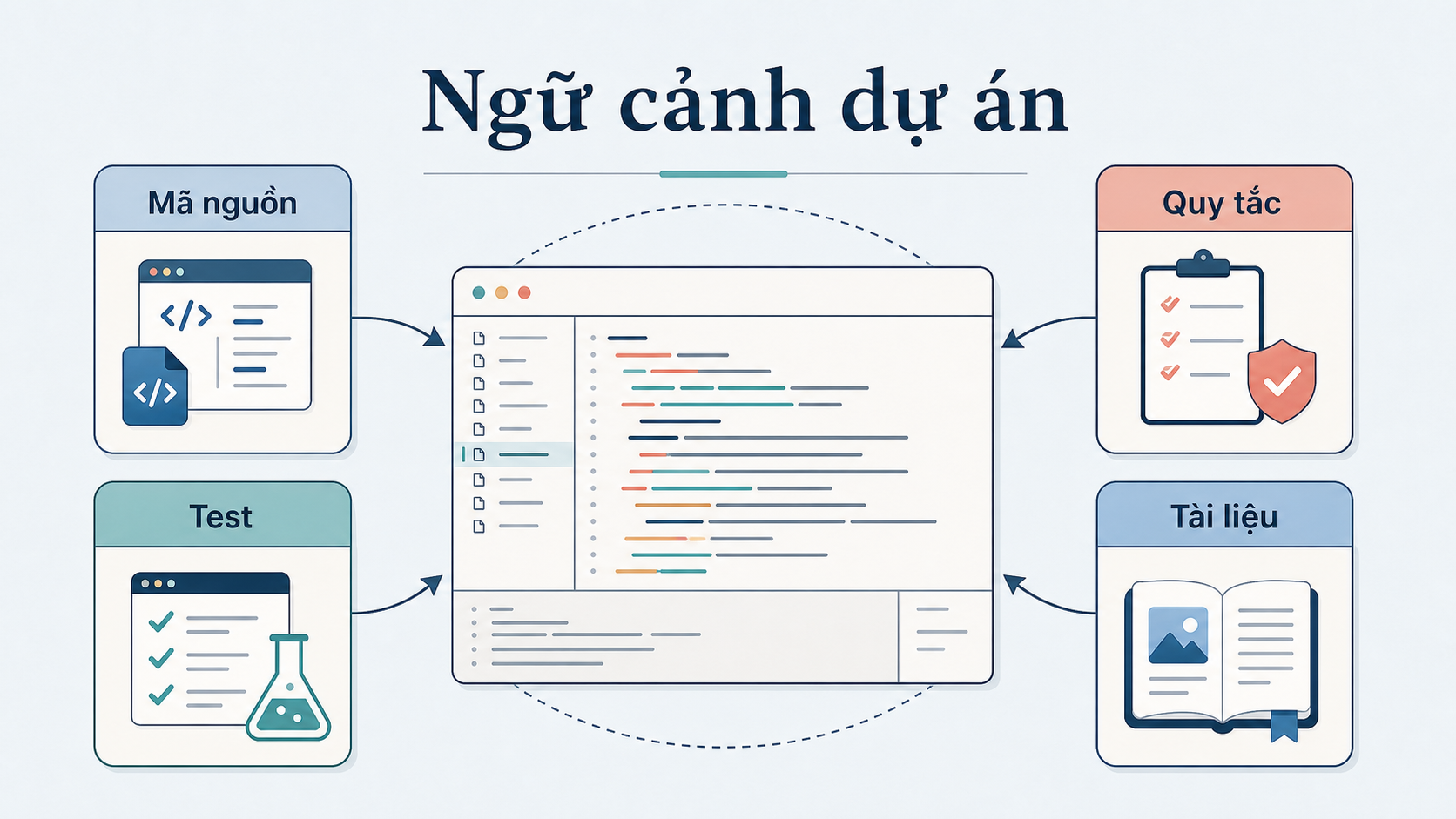
The software development industry is undergoing an important transformation, going from a model that supports typing source code line by line to a model that completes all programming tasks on its own.
Older generation tools only stop at syntax suggestions right at the mouse pointer position. Programmers still have to manually create files, link modules, check syntax, read error logs, and manually fix code that doesn't work. This process consumes a lot of time and disrupts the engineer's train of thought.
Google Antigravity appeared to completely solve the above barrier. This is a new generation integrated development environment, providing an independent execution space and a mechanism to coordinate autonomous AI elements. In this environment, the AI agent can autonomously access the compiler, command window, test system, and project directory tree.
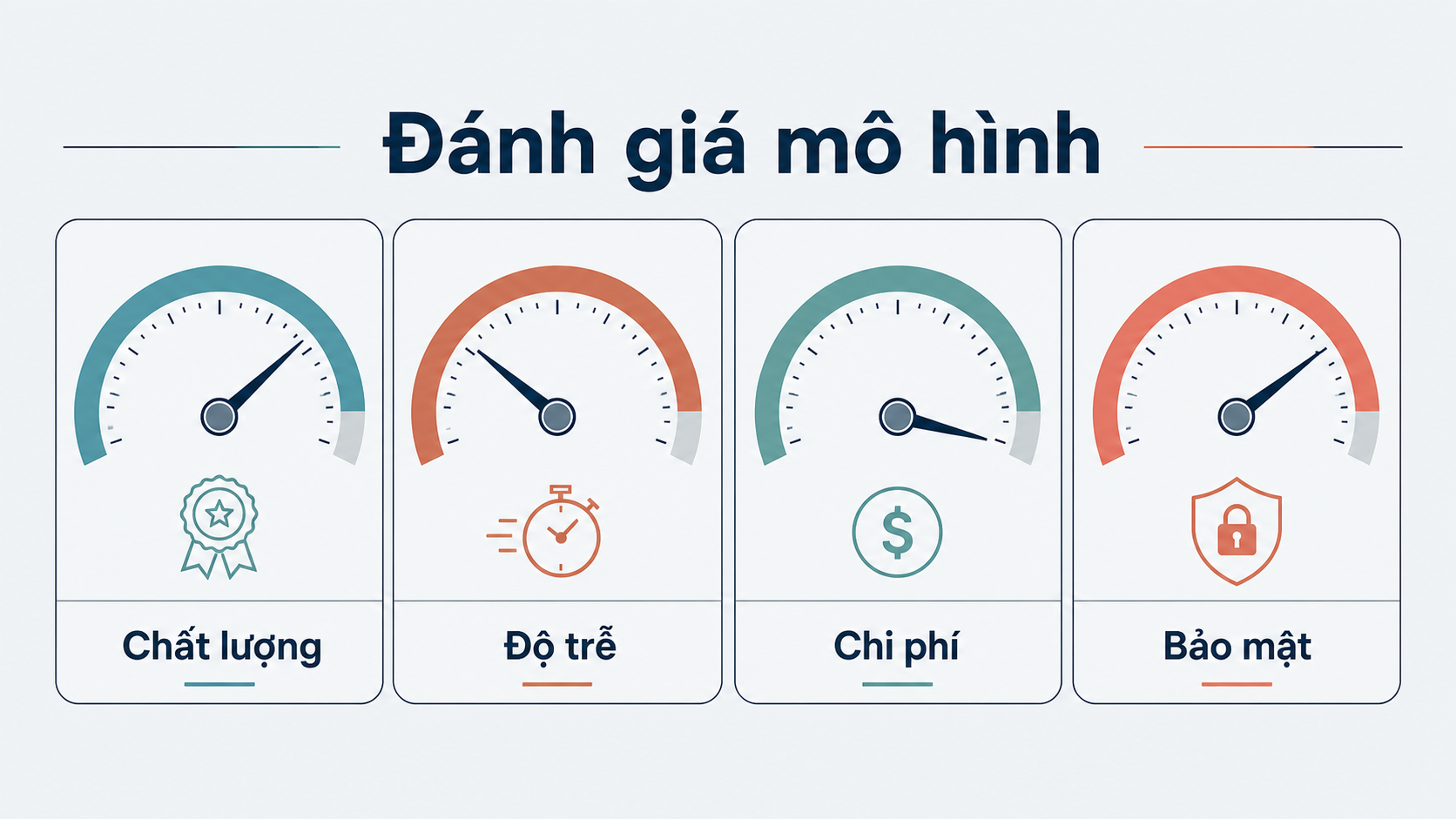
In the Google Antigravity ecosystem, the Gemini 3.6 Flash model serves as the central inference engine. Google favors the Flash model line over the Pro line for automated programming tasks for three core reasons:
- Extremely low response latency:Automated loops require the AI to read logs, correct code, and rerun tests continuously. Large delays will cause the process to clog.
- Big data bandwidth:The ability to handle broad contexts helps the model load the entire directory structure of large projects.
- Optimal operating costs:Reduce budget when the system has to continuously call APIs during testing processes.
Technical highlights of Gemini 3.6 Flash in Antigravity
1. Reduce compilation error rate and limit redundant intervention
A common problem with previous AI models was the tendency to arbitrarily change unrelated pieces of code. Gemini 3.6 Flash strictly controls the scope of action, follows exact command requirements, and only edits specified functions. This helps maintain stability for the entire application architecture.
2. Optimize token performance in the automatic loop
Each execution, test, and error log read consumes a significant amount of tokens. Gemini 3.6 Flash is trained to remove unnecessary courtesies, focusing directly on patch formatting. A 17% reduction in token output enables faster response and saves system resources.
3. Ability to refactor code and browse multi-file projects
The model is capable of analyzing dependency trees to understand the relationships between modules. When changing a function at the database layer, Gemini 3.6 Flash automatically finds and updates the corresponding function calls at the interface layer without breaking the application's processing flow.
4. Convert visual interface into source code
Through multi-modal processing capabilities, the model can directly read Figma design drawings or system architecture diagrams. Then, the system automatically generates the corresponding source code for both the user interface and the server-side logic processing part.
5. Update new technology knowledge
The model's data is updated to 2026. The model understands the standard syntax of new tools such as React 19, Next.js 15+, Python 3.13 and Go 1.24, helping to eliminate errors caused by using old syntax that has been retired.
Comparison table of technical indicators and operating costs
Below is a table comparing the technical indicators and operating costs between the two model generations when operating in the Google Antigravity Core core:
| Technical index | Gemini 3.5 Flash | Gemini 3.6 Flash in Antigravity | Actual impact on businesses |
| Output token price | 9.00 USD for 1 million tokens | 7.50 USD for 1 million tokens | Reduce costs by 16.6% when running automatic source code processing loops. |
| Input token price | 1.50 USD for 1 million tokens | 1.50 USD for 1 million tokens | Optimize the cost of reading entire large source code projects. |
| Output token length | Not optimal, long answer | Optimized to reduce 17% of redundant words | Increase response speed, reduce latency for CI/CD processes. |
| Time of knowledge | January 2025 | March 2026 | Make sure to write standard code according to the latest syntax. |
| Integration method | Call the API manually | Built-in to Antigravity | Fully automate testing and debugging. |
You can see more:Top 10 most popular large language models (LLM) today
Gemini 3.6 Flash processing workflow
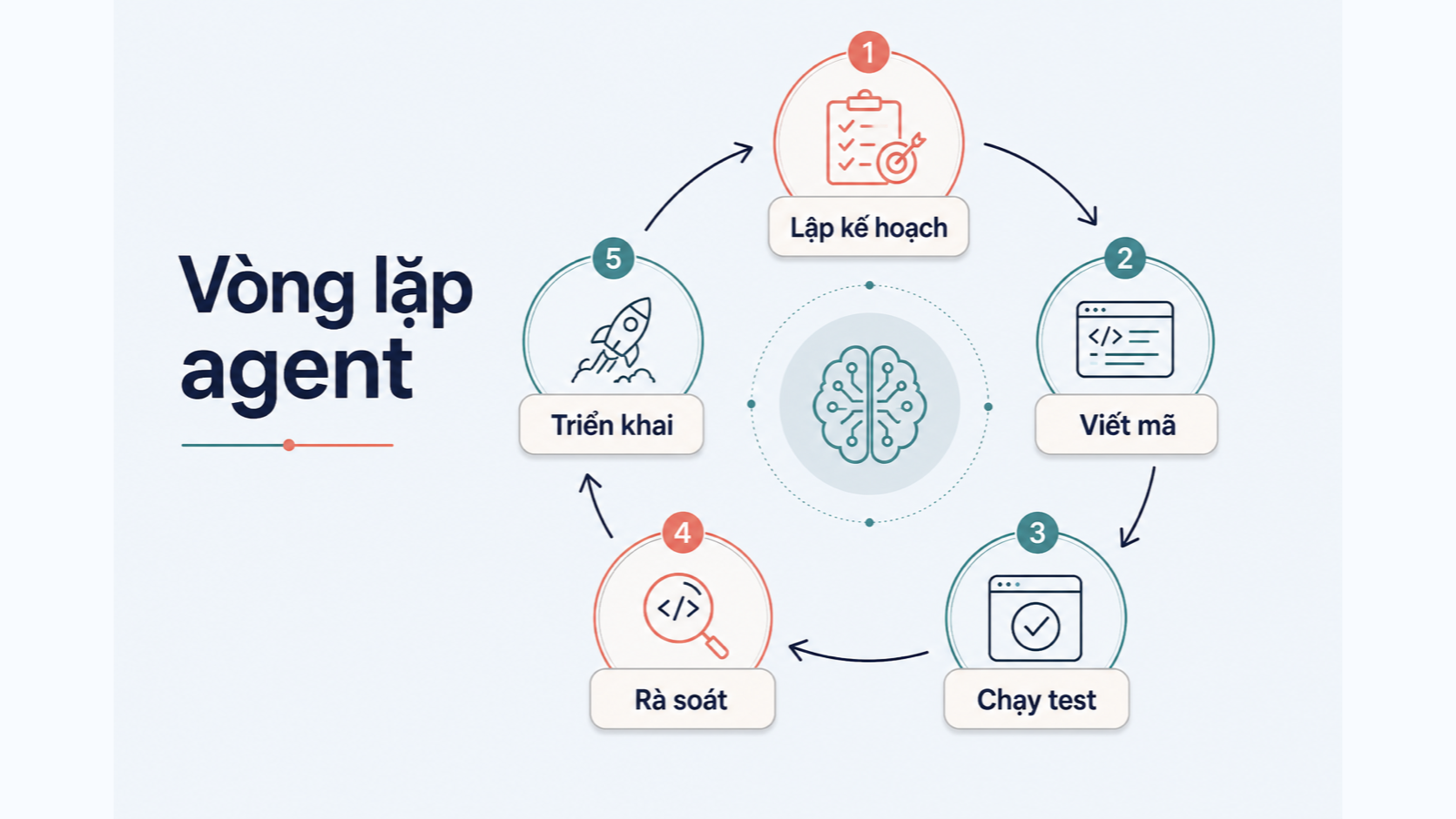
The process of processing a source code refactoring request in Google Antigravity takes place through 5 standard steps:
- Receiving requests:The programmer made a request to restructure the user authentication module to the OAuth2 standard with integrated PKCE code.
- Structural analysis:The Google Antigravity dispatcher conducts a full dependency tree scan to identify affected source code files.
- Generate source code and tests:The Gemini 3.6 Flash engine generates minimal code modifications with corresponding unit tests.
- Execute in a safe environment:The system automatically enables source code testing commands using npm test or pytest inside the quarantine environment.
- Processing test results:If a build error occurs, Gemini 3.6 Flash automatically reads the error log in the terminal to correct the code. When the tests pass completely, the system automatically creates a new code pull request with change notes.
Gemini 3.6 Flash application in AI development
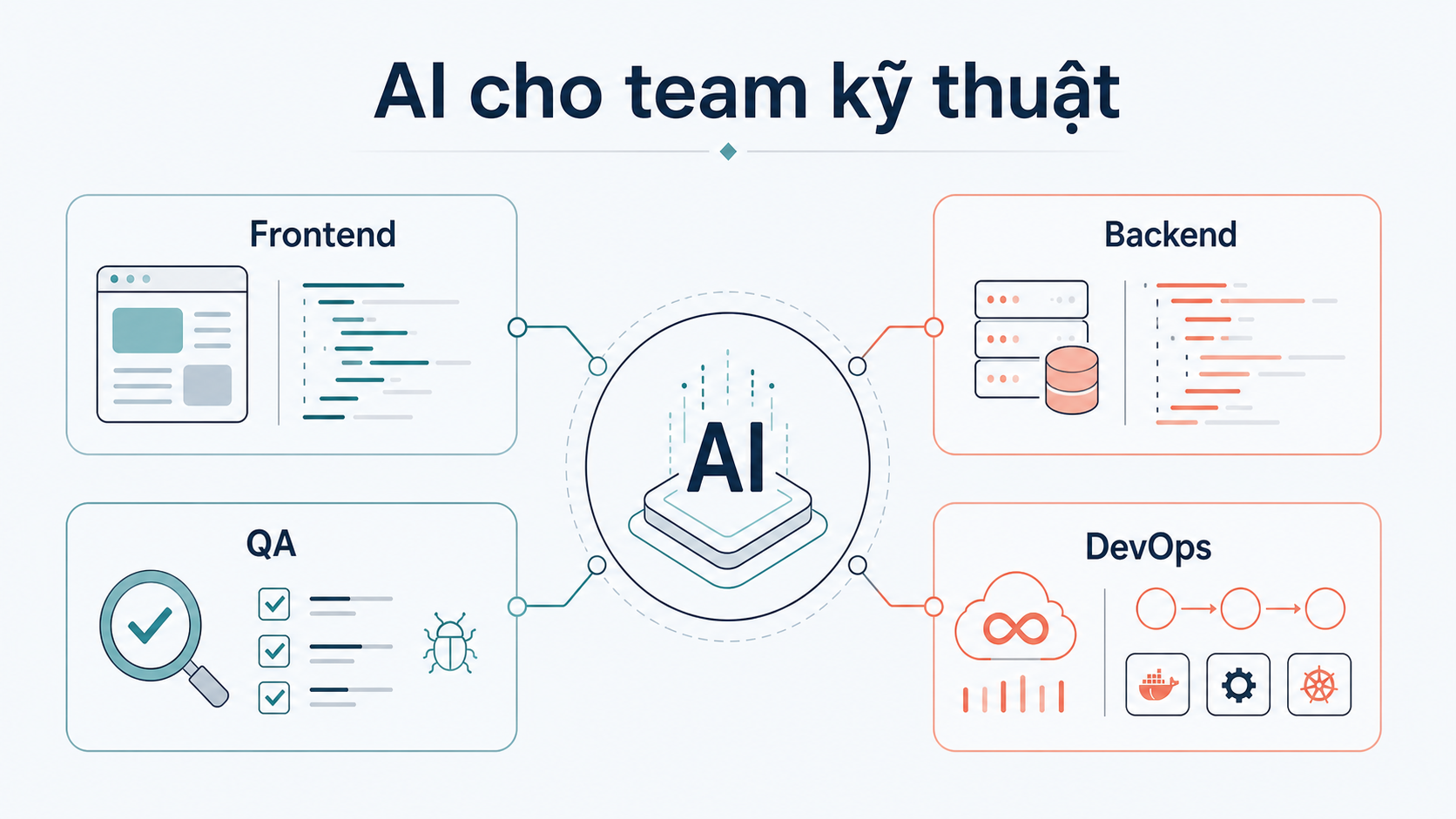
Businesses that want to apply Gemini 3.6 Flash or Google Antigravity architecture to their software systems often encounter difficulties in integration capacity and data security issues. Winterfrost's AI development services are built to directly address these challenges.
Winterfrost is currently a pioneer in researching and bringing new AI models such as Gemini 3.6 Flash into the actual software production process. The team of experts at Winterfrost directly customizes and packages technology into solutions suitable for each business model.
Key solutions in AI development services at Winterfrost include:
- Deploy FrostMind AI Chatbot developed by Winterfrost: FrostMind AIis a specialized AI assistant solution for businesses. The product integrates the Gemini 3.6 Flash inference engine to help support consulting, answering and customer care.
- Integrating Gemini 3.6 Flash model into enterprise software:Winterfrost makes API connections, optimizes input contexts and configures system parameters so that AI operates stably on customers' existing applications.
- Developing self-operating AI elements:Build automated workflows capable of reading documents, querying databases, and completing tasks without manual human intervention.
Benefits when deploying AI development services at Winterfrost
Deploy AI development services atWinterfrostHelps businesses proactively use technology, optimize budgets and shorten time to bring products to market.
Core benefits for business customers
- Optimize AI infrastructure costs:Winterfrost experts apply techniques to refine commands and configure the Gemini 3.6 Flash model to help reduce the number of redundant tokens, saving monthly API operating costs.
- Absolute data security:The entire system is deployed on the business's private cloud computing infrastructure. Source code and committed business data are not stored or used to train community models.
- Master the source code:Winterfrost hands over all intellectual property rights, software source code and technical documents upon project completion.
4-step process of deploying AI development services
- Architectural survey and consulting:Winterfrost experts evaluate the current state of the business's information technology system, identifying bottlenecks that can be resolved with the Gemini 3.6 Flash model.
- Build test version:Winterfrost designs a detailed solution and completes the software prototype within two weeks for businesses to evaluate actual effectiveness.
- Integration and safety testing:The system is directly connected to the official operating process, undergoing strict load testing and security testing steps.
- Handover and operational support:Winterfrost conducts technology transfer, trains the business's internal technical team and provides periodic maintenance services.
Businesses can refer to detailed deployment capacity and solution packages on this pageAI development services at WinterfrostOr contact directly to receive in-depth advice from a team of system architects.
- Hotline/Zalo:
- Email:info@winterfrost.tech
- Head office:Vinhomes Grand Park, District 9, Ho Chi Minh City, Vietnam.
- Branch:Vinhomes Grand Park, District 9, Ho Chi Minh City, Vietnam.
Frequently Asked Questions (FAQs) about the Gemini 3.6 Flash model
What is the difference between the Gemini 3.6 Flash model and the Gemini 3.5 Flash model?
Gemini 3.6 Flash upgrades the knowledge datum to March 2026 and reduces the output token price to 7.50 USD for 1 million tokens. The model was optimally trained to reduce the number of redundant tokens in inference responses by 17%. This improvement reduces response latency, increases processing speed for automated processes, and saves API usage costs for the system.
Can the Gemini 3.6 Flash model operate independently or is it required to run in the Google Antigravity environment?
Gemini 3.6 Flash can operate completely independently through a standard API connection on Google AI Studio or Google Cloud Vertex AI. Google Antigravity is an integrated development environment solution that helps optimize the self-testing, error log reading, and self-correcting capabilities of this model in software projects.
What technical benefits does Gemini 3.6 Flash's ability to reduce redundant tokens provide?
Reducing redundant tokens helps the model eliminate unnecessary communication explanation sentences to focus entirely on the output data format. Technical benefits include shortening system response time to less than 400ms. This mechanism helps avoid context overflow when AI performs continuous automated testing loops.
How does Gemini 3.6 Flash handle programming projects containing multiple source code files?
The model leverages the 1 million token context capacity combined with the project's dependency tree analysis feature. Gemini 3.6 Flash loads the entire directory structure to accurately identify related files. The model automatically updates the corresponding code segments on the interface layer and the database layer without affecting the overall structure of the application.
Is enterprise source code data collected to retrain the Gemini 3.6 Flash model?
Source code data is secured according to enterprise cloud computing service standards. When deployed through official platforms such as Google Cloud Vertex AI or enterprise license packages, the system applies a policy of not storing data and not using customer information for the purpose of training community AI models.